

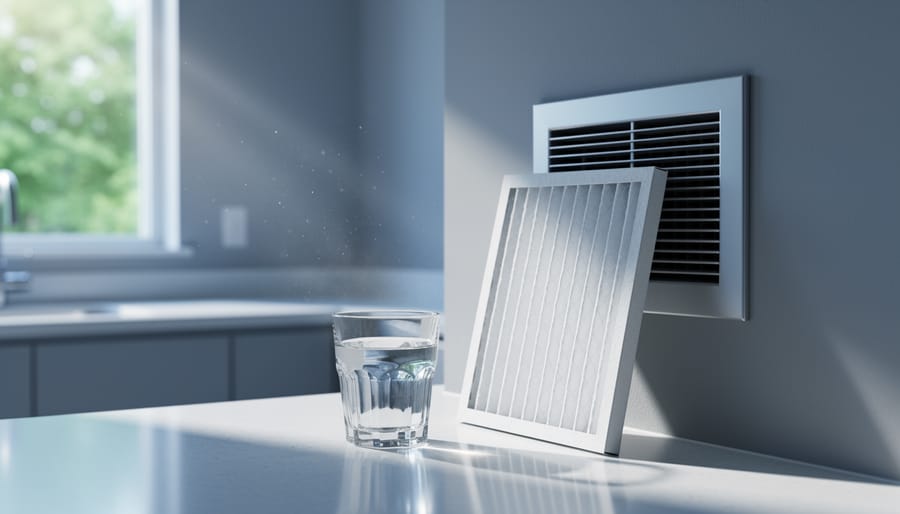
Your home’s air and water quality directly determine your family’s daily health exposure, yet invisible contaminants often accumulate undetected in even the cleanest-looking spaces. Start by scheduling professional inspections for hidden hazards: test water for lead, pesticides, and bacteria through certified labs, examine HVAC systems and ductwork for mold growth, and have specialists like dryerventcleanexperts.com clear lint buildup that reduces air circulation and increases fire risk. Install point-of-use water filters certified to remove specific contaminants identified in your tests, replacing cartridges according to manufacturer schedules rather than waiting for taste changes. Replace HVAC filters monthly during high-use seasons using MERV 11-13 ratings that capture particles without overworking systems, and open windows strategically during low outdoor pollution periods to flush stale indoor air.
The connection between climate and health extends into our homes, where we spend nearly 90% of our time breathing and consuming what our living spaces provide. Simple maintenance routines prevent the buildup of respiratory irritants, endocrine disruptors, and pathogens that disproportionately affect children, elderly family members, and those with compromised immune systems. This article provides a comprehensive maintenance schedule organized by season, identifies warning signs that demand immediate attention, and offers solutions at multiple price points so every household can take meaningful action regardless of budget constraints.
Why Your Indoor Air Quality Matters More Than You Think
The Health Impact of Poor Indoor Air
Poor indoor air quality affects our bodies more than many realize, creating both immediate discomfort and long-term health consequences. When we breathe in pollutants like volatile organic compounds, mold spores, and particulate matter, our respiratory systems bear the brunt. Common symptoms include headaches, fatigue, eye irritation, and difficulty concentrating—issues often dismissed as everyday annoyances but actually signals from our bodies responding to contaminated air.
Children face particularly elevated risks because they breathe more rapidly than adults and their developing bodies are more vulnerable to toxins. A child playing on the floor encounters higher concentrations of settled dust and chemicals, potentially triggering asthma or allergies that persist throughout their lives. Similarly, older adults and people with pre-existing conditions like heart disease or respiratory illnesses experience amplified effects from poor air quality, sometimes leading to serious complications requiring medical intervention.
Consider Maria, a Toronto mother who noticed her daughter’s persistent cough disappeared after addressing mold in their bathroom and switching to natural cleaning products. This real-world example illustrates how seemingly minor improvements create meaningful health changes. The encouraging news? Unlike outdoor air pollution, you have direct control over your indoor environment. Simple actions like improving ventilation, choosing low-emission products, and maintaining proper humidity levels protect everyone under your roof while contributing to healthier communities overall.
Common Culprits Hiding in Plain Sight
The air inside your home may contain more pollutants than you realize, often from items you use daily. Understanding these hidden sources empowers you to make informed choices for your family’s wellbeing.
Conventional cleaning products frequently release volatile organic compounds (VOCs) into your indoor air, even when stored in closed cabinets. Consider switching to plant-based alternatives or simple solutions like vinegar and baking soda. New furniture and carpets also off-gas chemicals for months after installation, a process that can be mitigated by airing out items before bringing them indoors and maintaining good ventilation during the initial weeks.
Gas stoves deserve particular attention, as they produce combustion byproducts including nitrogen dioxide and carbon monoxide. Running your range hood ventilated to the outside whenever cooking significantly reduces exposure. If you’re considering kitchen upgrades, induction cooktops offer excellent performance without these emissions.
Poor ventilation traps all these pollutants indoors, creating a concerning accumulation over time. Simply opening windows for 10-15 minutes daily, even in winter, dramatically improves indoor air quality. Finally, inadequate filtration allows particles and allergens to circulate continuously. Upgrading to HEPA filters in your HVAC system captures 99.97% of airborne particles, transforming your home’s air quality.
Simple Steps to Transform Your Home’s Air Quality
Ventilation: Your First Line of Defense
Good ventilation is your most powerful tool for maintaining healthy indoor air quality, yet it’s often overlooked. Fresh air dilutes indoor pollutants, from cooking fumes to volatile organic compounds released by household products. The key is strategic ventilation that balances air quality with energy efficiency.
Start by running exhaust fans during and for 15-20 minutes after cooking or showering to remove moisture and pollutants at their source. Open windows on opposite sides of your home when outdoor air quality is good to create cross-ventilation—early morning often offers the freshest air. During extreme weather, even five minutes of fresh air exchange can make a significant difference.
Your HVAC system works as your home’s respiratory system. Replace filters every three months, or monthly if you have pets or allergies. Consider upgrading to MERV 13 filters, which capture smaller particles without significantly impacting energy use. Schedule annual professional maintenance to ensure optimal performance.
For those in tightly sealed, energy-efficient homes, a heat recovery ventilator (HRV) or energy recovery ventilator (ERV) provides continuous fresh air while minimizing heat loss. These systems represent an upfront investment but deliver long-term health and energy benefits. Remember, a healthy home breathes—giving it fresh air regularly protects both your family and your investment.
Choose Products That Don’t Poison Your Space
The products you bring into your home directly impact the air your family breathes. Many conventional items release volatile organic compounds (VOCs) and other chemicals that accumulate indoors, but making informed choices can dramatically reduce this exposure.
When selecting paints, look for products labeled “zero-VOC” or “low-VOC” and check for third-party certifications like Green Seal or Greenguard Gold. These alternatives perform just as well as traditional options without the lingering chemical smell and off-gassing that can continue for months.
Furniture matters too. Pressed wood products often contain formaldehyde, a known irritant and carcinogen. Prioritize solid wood furniture or pieces certified by the Forest Stewardship Council. If buying new upholstered items, ask manufacturers about flame retardants and opt for those meeting California TB 117-2013 standards, which don’t require toxic chemicals.
For cleaning products, simple swaps make a real difference. White vinegar, baking soda, and castile soap handle most household tasks effectively. When purchasing commercial cleaners, choose those certified by EPA’s Safer Choice program or Environmental Working Group’s verification system.
Personal care products also contribute to indoor air quality. Hair sprays, perfumes, and air fresheners release VOCs with each use. The Environmental Working Group’s Skin Deep database helps identify safer alternatives that protect both your health and indoor environment.
These choices represent investments in long-term wellness that benefit everyone who enters your home.
Natural Air Purification Strategies
Improving your indoor air quality doesn’t require expensive equipment alone. A balanced approach combining mechanical and natural strategies delivers the best results for most homes.
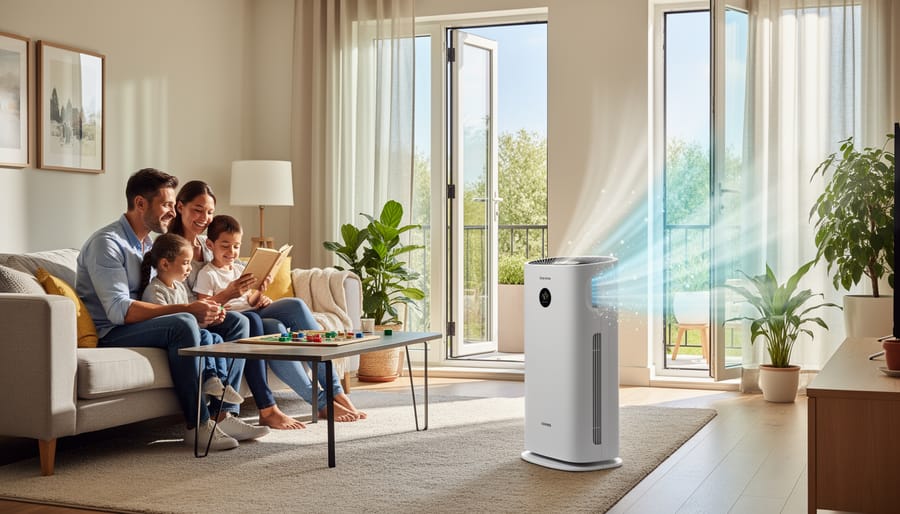
High-efficiency particulate air (HEPA) filters remain the gold standard for mechanical air purification, capturing 99.97% of particles as small as 0.3 microns. Place portable air purifiers in high-traffic areas like bedrooms and living spaces, sizing them appropriately for room square footage. Change filters according to manufacturer schedules to maintain effectiveness.
Certain houseplants can complement these efforts, though expectations should remain realistic. While NASA research showed plants like snake plants, pothos, and spider plants can remove toxins in controlled conditions, you’d need dozens of plants per room for measurable impact. Consider them a modest supplement rather than a primary solution, offering aesthetic and psychological benefits alongside minor air quality improvements.
Humidity control proves surprisingly important. Maintain indoor humidity between 30-50% to discourage mold growth and dust mites without over-drying airways. Use dehumidifiers in damp basements and humidifiers during dry winter months.
The most effective natural strategy costs nothing: ventilation. Open windows when outdoor air quality permits, run bathroom and kitchen exhaust fans during and after moisture-producing activities, and ensure adequate airflow throughout your home. This simple practice significantly reduces indoor pollutant concentrations while connecting you to natural cycles.
Your Water Quality: What’s Really Coming From Your Tap
Understanding Common Water Contaminants
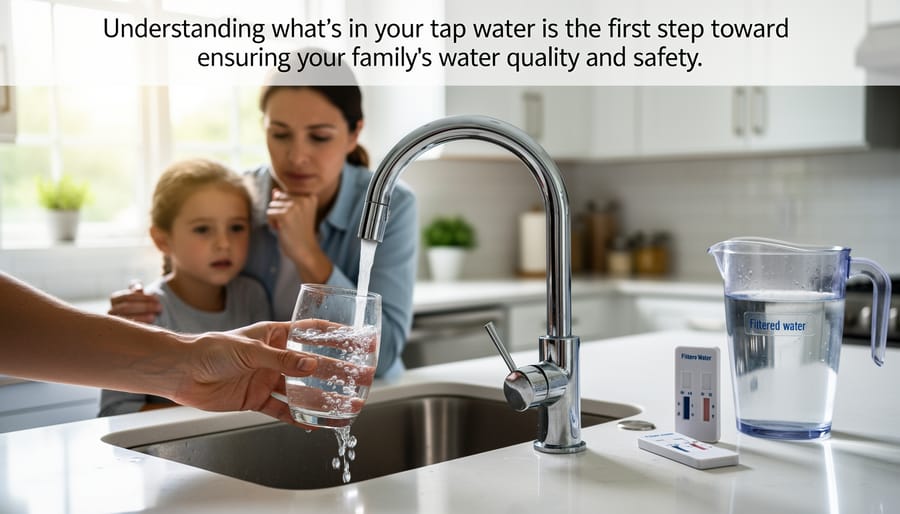
Your tap water may harbor invisible contaminants that deserve your attention. Understanding what might be present empowers you to take protective action for your household and community.
Lead remains one of the most concerning contaminants, typically entering water through corroded pipes in older homes built before 1986. Even low levels can impact children’s brain development and cause cardiovascular problems in adults. If your home predates the mid-1980s, testing is especially important.
Chlorine byproducts form when disinfectants used by treatment facilities react with organic matter in water. While chlorination protects against waterborne diseases, these byproducts have been linked to increased cancer risk with long-term exposure.
PFAS, often called “forever chemicals,” resist breaking down in the environment. Used in everything from non-stick cookware to firefighting foam, these substances contaminate water supplies through industrial discharge and landfill runoff. Research connects them to immune system effects, thyroid disruption, and certain cancers.
Pharmaceuticals enter waterways when medications pass through human bodies and wastewater treatment systems that weren’t designed to remove them. Though found in trace amounts, their cumulative effects remain under study.
Pesticides run off from agricultural lands and residential lawns into groundwater and surface water sources. Exposure has been associated with hormonal disruption and neurological effects.
Microplastics now appear virtually everywhere, breaking down from larger plastic items and synthetic clothing. Scientists are still determining their full health impact, but early research suggests potential inflammation and cellular damage.
The encouraging news? Simple testing reveals what’s in your water, and effective filtration solutions exist for every budget. Taking action today protects your family’s health while contributing to broader awareness about water quality in your community.
Testing Your Water: When and How
Regular water testing empowers you to protect your family’s health and catch potential issues early. The frequency and scope of testing depend on your water source and home characteristics. If you rely on a private well, annual testing for bacteria, nitrates, and pH is essential, with additional tests every three to five years for heavy metals, pesticides, and volatile organic compounds. Municipal water users should consider testing when moving into an older home, after plumbing work, or if they notice changes in taste, odor, or appearance.
Home testing kits offer convenient screening for common contaminants like lead, chlorine, and hardness minerals, typically costing between $20 and $150. For comprehensive analysis, certified laboratories provide detailed reports identifying specific contaminants and their concentrations. Contact your local health department, as many offer free or low-cost testing programs, particularly for lead and bacteria. State environmental agencies also maintain lists of certified testing laboratories.
When you receive results, compare concentrations against EPA standards or Canadian drinking water guidelines. Values above recommended limits warrant immediate action, whether installing filtration systems, addressing plumbing issues, or switching water sources. Remember, testing is an investment in prevention. A family in Michigan discovered elevated lead levels through routine testing, prompting filter installation that protected their children’s developing brains. Knowledge transforms concern into confident, effective action.
Protecting Your Family’s Water Supply
Filtration Options That Actually Work
Choosing the right filtration system depends on your water quality concerns, budget, and maintenance capacity. Here’s an honest comparison to help you decide.
Pitcher filters offer the most accessible entry point, typically costing $20-40 with filter replacements every two months at around $8 each. They effectively remove chlorine, copper, and mercury while improving taste, making them ideal for renters or those starting their filtration journey. However, they don’t address lead in older plumbing or many emerging contaminants, and their slow filtration speed can frustrate larger households.
Faucet-mounted filters provide convenience at $30-70 initially, with replacement cartridges every three months. They remove similar contaminants to pitchers but with faster flow rates. The tradeoff? They don’t fit all faucet types and can slow water pressure noticeably.
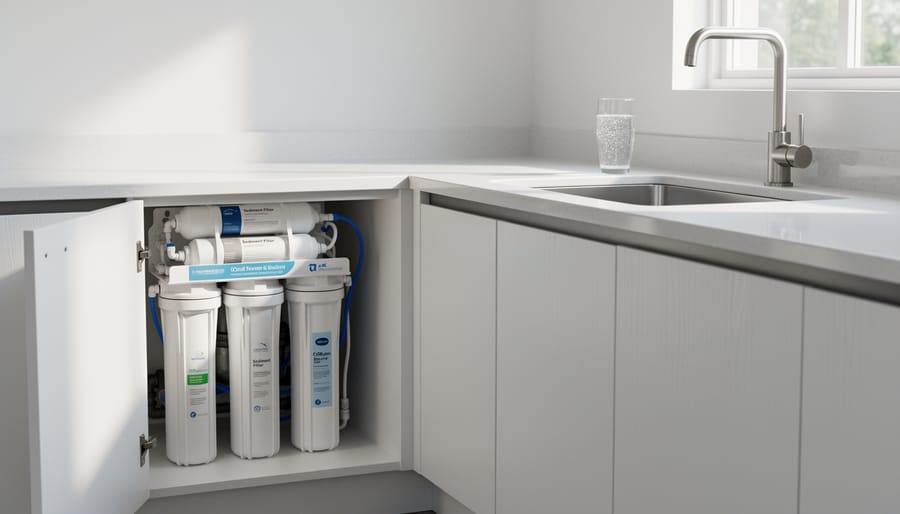
Under-sink systems represent a significant upgrade, removing lead, heavy metals, PFAS, and many pharmaceuticals. Installation costs range from $200-400, with annual filter changes around $50-100. These systems provide filtered water on demand without countertop clutter, though installation may require professional help.
Whole-house filtration systems offer comprehensive protection, treating all water entering your home. Initial costs run $1,000-5,000 depending on contaminants targeted, with annual maintenance of $300-600. They’re particularly valuable for homes with well water or known widespread contamination, protecting not just drinking water but also shower and laundry water.
Whatever system you choose, certification matters. Look for NSF/ANSI certifications matching your specific concerns—NSF 53 for lead removal, NSF 401 for emerging contaminants. Test your water first to ensure you’re addressing actual problems rather than guessing at solutions.
Reducing Contamination at the Source
Taking preventive action at the contamination source represents one of the most effective strategies for protecting your household water quality. Start by understanding the materials in your home’s plumbing system. If your house was built before 1986, there’s a higher likelihood of lead-containing pipes, solder, or fixtures. Consider hiring a certified plumber to conduct an assessment and prioritize replacing these components, particularly in areas where water sits for extended periods.
A simple yet powerful habit is flushing your pipes each morning. If water has been standing overnight in your plumbing, run cold taps for 30-60 seconds before using water for drinking or cooking. This flushes out any metals that may have leached into standing water. Use only cold water for consumption and cooking, as hot water dissolves contaminants more readily from pipes.
Proper disposal practices make a significant difference for both home and community water systems. Never flush medications down toilets or pour them down drains. Instead, utilize pharmaceutical take-back programs at local pharmacies or designated collection events. Similarly, household chemicals, paints, and cleaners should go to hazardous waste facilities rather than down drains, where they can contaminate groundwater and overwhelm treatment systems.
Regular plumbing maintenance prevents problems before they start. Address leaks promptly, inspect fixtures annually, and consider installing water-efficient appliances that reduce the time water spends in pipes. A family in Burlington, Ontario transformed their water quality by replacing corroded faucets and installing a simple point-of-use filter, demonstrating how targeted improvements create lasting benefits for household health.
Creating a Healthy Home Maintenance Routine
Building a comprehensive home maintenance routine doesn’t have to be overwhelming. By integrating air and water quality checks into your existing seasonal habits, you create a protective shield for your family’s health while supporting environmental sustainability.
Start by establishing quarterly checkpoints aligned with the changing seasons. In spring, replace HVAC filters, check for water leaks that developed during winter, and test your home’s water quality. A family in Vancouver discovered elevated lead levels during their spring routine check, allowing them to address the issue before their newborn arrived. Summer is ideal for inspecting and cleaning outdoor drainage systems, checking dehumidifier performance, and ensuring proper ventilation in high-humidity areas. Fall brings opportunities to prepare heating systems, seal windows and doors to prevent moisture intrusion, and conduct another water quality test before winter. Winter maintenance focuses on monitoring indoor humidity levels, checking for condensation issues, and ensuring adequate fresh air circulation despite closed windows.
Create a simple monthly practice of visual inspections. Walk through your home looking for signs of moisture damage, mold growth, or ventilation problems. Clean or replace air filters monthly if you have pets or allergies. Run water in rarely used fixtures to prevent stagnant water issues.
Document your maintenance activities in a home journal or digital calendar. This record helps identify patterns, reminds you of upcoming tasks, and proves invaluable when troubleshooting problems. Many families find that involving children in age-appropriate tasks, like checking air filter indicators or noting the date of filter changes, builds environmental awareness and shared responsibility.
Remember, consistency matters more than perfection. Even small, regular actions compound into significant health and environmental benefits over time.
The health of your home and the health of our planet are inseparably linked. Every filter you change, every water test you conduct, and every mindful choice to reduce indoor pollutants creates ripples that extend far beyond your walls. These seemingly small actions accumulate into meaningful change, protecting your family while contributing to broader environmental health.
Your journey doesn’t end at your doorstep. Share what you’ve learned with neighbors, participate in community engagement and advocacy for improved municipal water systems and air quality standards, and support policies that prioritize public health infrastructure. When we collectively demand better, change happens.
Healthy home maintenance is both self-care and environmental stewardship. Begin today with one action, then another. Each step you take improves your immediate environment while modeling sustainable practices for your community. Together, these individual commitments create the foundation for healthier homes, stronger communities, and a more resilient planet for generations to come.