

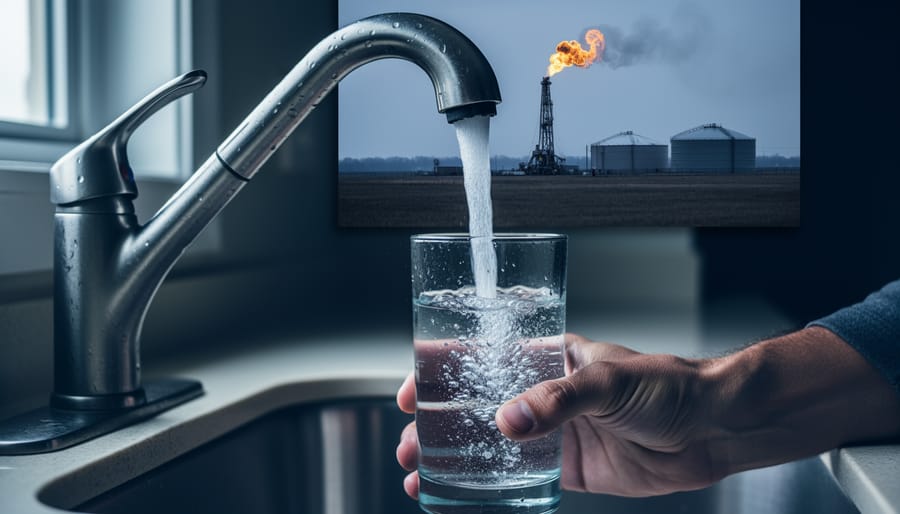
Beneath rural communities and suburban neighborhoods across North America, a powerful extraction technique is reshaping both our energy landscape and the natural world above it. Hydraulic fracturing, commonly known as fracking, injects millions of gallons of water, sand, and chemicals deep underground to release trapped oil and natural gas. While this process has unlocked vast energy reserves and transformed economies, it has simultaneously triggered profound environmental consequences that ripple through water systems, air quality, ecosystems, and human health.
The numbers tell a compelling story. A single fracking well can use between 1.5 and 16 million gallons of water, competing with agricultural and drinking water needs in drought-prone regions. Chemical-laden wastewater, sometimes containing radioactive materials from deep rock formations, must be managed and disposed of safely—yet spills and improper handling have contaminated drinking water sources in communities from Pennsylvania to Colorado. Meanwhile, methane and volatile organic compounds released during extraction contribute to air pollution and climate change, with some studies detecting elevated levels of harmful pollutants within a half-mile radius of active wells.
These impacts are not abstract environmental statistics. They represent families who cannot drink their tap water, farmers watching livestock sicken near drilling sites, and communities grappling with increased earthquake frequency linked to wastewater injection wells. Understanding the full scope of fracking’s environmental footprint requires looking beyond industry claims and examining peer-reviewed research, documented case studies, and the lived experiences of affected communities. This knowledge empowers us to make informed decisions about energy policy, community health, and the sustainable future we want to create. The evidence is clear, the stakes are high, and the time for informed action is now.
How Fracking Works: The Process Behind the Controversy
Hydraulic fracturing, commonly known as fracking, extracts natural gas and oil trapped deep within shale rock formations that conventional drilling methods cannot reach. Understanding this process is essential for grasping its environmental implications.
The process begins with drilling a well vertically into the earth, often reaching depths of 6,000 to 10,000 feet. Once the well reaches the shale layer, it turns horizontally and can extend for thousands of feet. This horizontal drilling allows access to larger areas of gas-bearing rock from a single surface location.
Here’s where fracturing happens: operators pump millions of gallons of fluid into the well at extremely high pressure. A typical fracking operation uses between 1.5 and 9.7 million gallons of water per well. This fluid mixture consists of approximately 90% water, 9.5% sand or other proppants (materials that keep fractures open), and 0.5% chemical additives. Though chemicals represent a small percentage, this translates to roughly 40,000 to 330,000 gallons of chemicals per well.
These chemicals serve various purposes: reducing friction, preventing corrosion, eliminating bacteria, and maintaining fluid viscosity. Common additives include acids, biocides, scale inhibitors, and gelling agents. While many chemicals are found in household products, their concentration and underground injection raise legitimate environmental questions.
The high-pressure injection creates tiny fractures in the shale rock, releasing trapped gas. The sand particles prop these fractures open, allowing gas to flow back up the well. Approximately 10-40% of the fracking fluid returns to the surface as flowback water, carrying not only injected chemicals but also naturally occurring substances like heavy metals, radioactive materials, and salts from deep underground.
Fracking has become widespread because it unlocked vast energy reserves previously considered uneconomical to extract. This technological breakthrough dramatically increased domestic energy production and reduced natural gas prices. However, these benefits come with environmental considerations that communities nationwide are actively evaluating and addressing through informed dialogue and protective measures.
Water Contamination: The Hidden Crisis in Our Aquifers
Chemical Migration and Groundwater Pollution
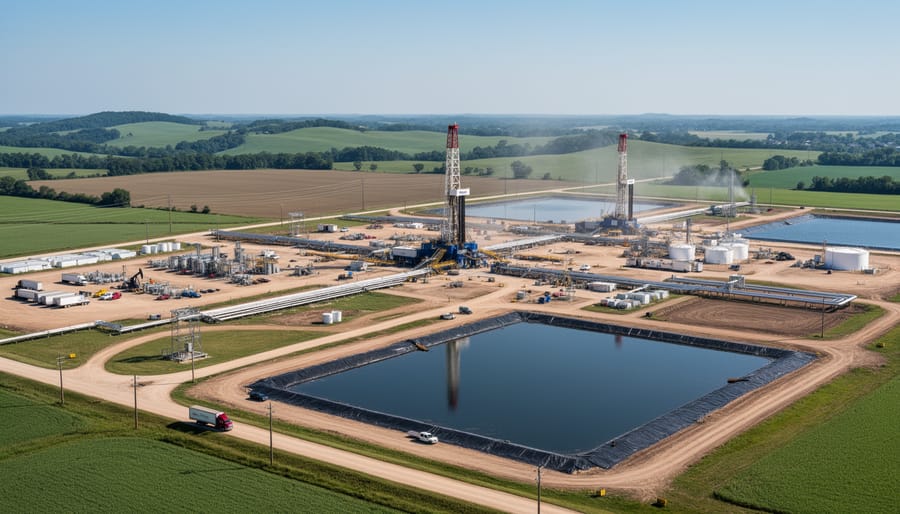
One of the most concerning environmental impacts of hydraulic fracturing is the potential for chemicals and natural gas to migrate into groundwater supplies that communities depend on for drinking water. During the fracking process, millions of gallons of water mixed with sand and chemicals are injected deep underground at high pressure. While industry proponents maintain that thick rock layers separate fracking operations from aquifers, evidence shows these protective barriers aren’t always effective.
Migration can occur through several pathways. Poorly constructed or deteriorating well casings allow fracking fluids to seep into surrounding geology. Natural fissures in rock formations, sometimes created or widened by the fracking process itself, can provide channels for contaminants to travel upward. Additionally, methane gas has been documented migrating into water wells near fracking sites.
The town of Dimock, Pennsylvania, became a prominent example when residents reported their well water turning brown and flammable in 2009, following nearby fracking operations. Testing revealed dangerous levels of methane and other contaminants. Similarly, in Pavillion, Wyoming, the EPA found compounds consistent with fracking chemicals in domestic water wells. These incidents illustrate real risks to public health and community water security.
Understanding these risks empowers communities to advocate for stronger regulations, including mandatory disclosure of fracking chemicals, rigorous well construction standards, and comprehensive water testing before and after drilling begins. Supporting organizations that monitor water quality and demanding transparency from energy companies are concrete steps anyone can take to protect drinking water resources.
The Massive Water Footprint Problem
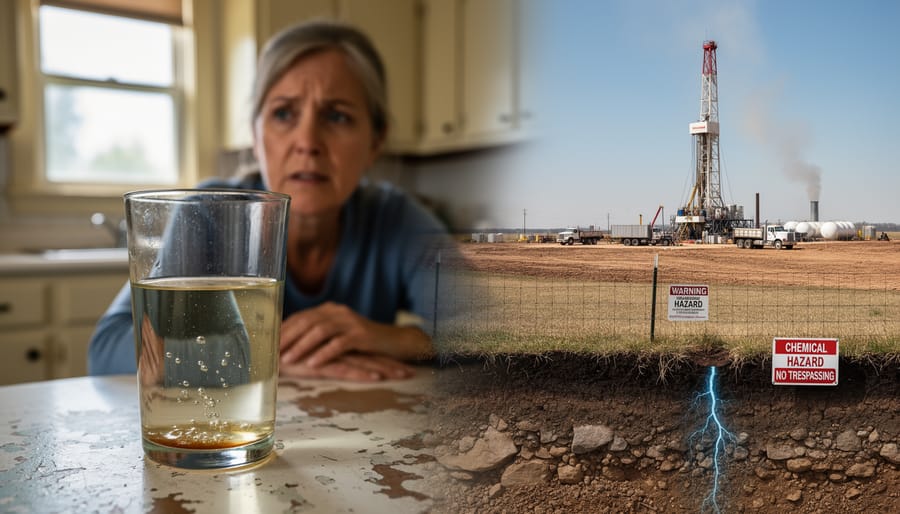
Hydraulic fracturing demands extraordinary amounts of water—typically between 1.5 and 9.7 million gallons per well. To put this in perspective, a single fracking operation can use as much water as a small town consumes in a month. This intensive water use creates significant challenges, particularly in regions already facing water scarcity.
In drought-prone areas like California, Texas, and Colorado, fracking operations compete directly with agricultural needs, municipal water supplies, and ecosystem requirements. The Barnett Shale region in Texas provides a telling example: during the severe 2011 drought, communities struggled to balance residential water needs with the demands of an expanding fracking industry. Some small towns experienced well shortages while nearby fracking operations continued consuming millions of gallons.
The impact extends beyond immediate consumption. Once used in fracking, water becomes contaminated with chemicals, heavy metals, and radioactive materials, making it unsuitable for reuse in agriculture or drinking water systems. This essentially removes massive volumes of water from the local hydrological cycle permanently.
Communities facing this challenge have found innovative approaches. Some regions now require companies to use recycled wastewater or brackish water unsuitable for other purposes. Others have implemented water use caps during drought conditions. These solutions demonstrate that when communities engage proactively with water management policies, they can protect local resources while addressing energy needs. Understanding your region’s water allocation policies and participating in local water management discussions empowers you to advocate for sustainable practices that prioritize community needs.
Air Quality and Climate Impact: Beyond the Wellsite
Methane Emissions: A Climate Change Accelerator
Methane deserves special attention in the fracking conversation because it’s extraordinarily potent—trapping over 80 times more heat than carbon dioxide during its first two decades in the atmosphere. While methane eventually breaks down faster than CO2, its immediate warming effect makes it a critical target for climate action.
Fracking operations release methane at multiple stages: during drilling, hydraulic fracturing itself, wastewater treatment, and transportation through pipelines. Studies have documented significant methane leakage rates, sometimes reaching 3-9% of total gas production at certain sites. Even small leaks matter tremendously given methane’s potency.
A notable example comes from the Permian Basin in Texas and New Mexico, where satellite monitoring revealed methane emissions twice as high as industry reported. These “super-emitter” sites—often from equipment malfunctions or intentional venting—contribute disproportionately to the problem.
The encouraging news is that methane mitigation is achievable and cost-effective. Technologies like infrared cameras can detect leaks for repair, while regulatory frameworks requiring leak detection programs have shown measurable results. Supporting policies that mandate regular inspections and updated equipment represents a practical step communities can take to reduce these emissions significantly while we transition toward renewable energy sources.
Toxic Air Pollutants Near Fracking Sites
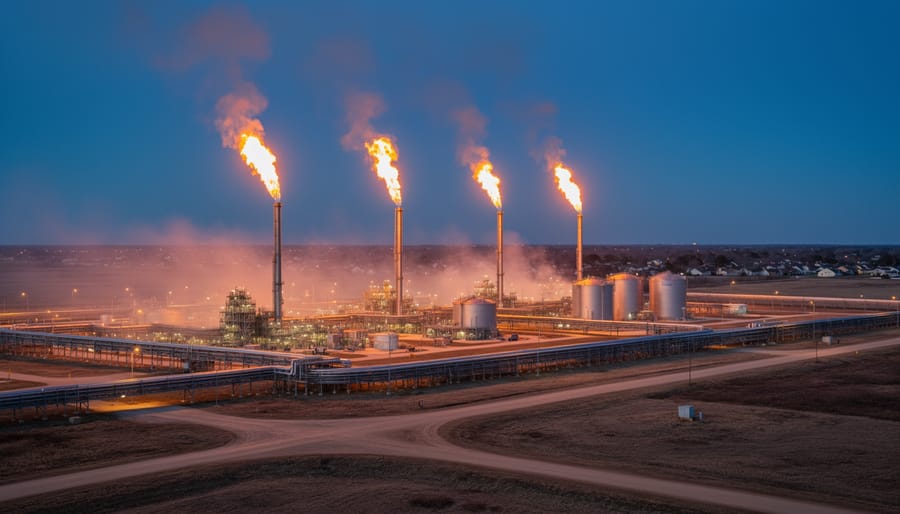
Communities living within a half-mile of fracking operations face exposure to a concerning mix of air pollutants that can significantly impact health and quality of life. Among the most worrisome are benzene, a known carcinogen linked to leukemia and blood disorders, and formaldehyde, which can cause respiratory problems and has been classified as a human carcinogen by multiple health agencies.
Studies have documented elevated levels of these toxic compounds in air samples taken near active drilling sites. Residents in areas like Pavillion, Wyoming, and Dish, Texas, have reported increased rates of nosebleeds, headaches, and respiratory issues that coincided with nearby fracking operations. Beyond benzene and formaldehyde, communities are exposed to volatile organic compounds, particulate matter from diesel equipment, and ground-level ozone, which forms when pollutants react with sunlight.
The good news is that communities can take meaningful action. Supporting air quality monitoring programs in your area provides crucial data for protection efforts. Advocating for setback distances that require wells to be located farther from homes and schools creates safer buffers. Many communities have successfully pushed for stricter regulations and continuous emissions monitoring. By staying informed and engaged with local environmental groups, residents can work collectively toward healthier air standards and stronger protective measures for everyone.
The Direct Health Consequences for Nearby Communities
Respiratory and Cardiovascular Health Risks
Communities living near fracking sites face elevated respiratory and cardiovascular health risks that deserve serious attention. Research studies have documented significant increases in asthma cases, particularly among children, with some areas reporting rates up to 50% higher than communities without nearby fracking operations. The air pollutants released during drilling and extraction—including volatile organic compounds, particulate matter, and ground-level ozone—can trigger breathing difficulties, chronic bronchitis, and worsen existing respiratory conditions.
Heart health concerns are equally troubling. Studies in Pennsylvania and Colorado found correlations between proximity to fracking wells and increased cardiovascular hospitalizations, including elevated rates of heart attacks and arrhythmias. One landmark study tracking over 400,000 births near Pennsylvania fracking sites revealed higher instances of low birth weight babies, suggesting maternal exposure to air pollution affects fetal development.
These health impacts disproportionately affect vulnerable populations: children with developing lungs, elderly residents with compromised immune systems, and low-income communities with limited healthcare access. Understanding these risks empowers communities to advocate for protective health monitoring, stricter air quality standards, and meaningful setback distances between drilling operations and residential areas. When communities unite to demand health-protective policies, real change becomes possible.
Impacts on Maternal and Child Health
Growing research suggests that living near fracking sites may pose particular risks for pregnant women and developing children. Multiple peer-reviewed studies have documented associations between residential proximity to hydraulic fracturing operations and adverse birth outcomes. For instance, research conducted in Pennsylvania found that mothers living within one kilometer of active fracking sites experienced higher rates of low birth weight babies and premature births compared to those living farther away.
A comprehensive study published in Environmental Health Perspectives examined over 1.1 million births in Pennsylvania and identified increased risks of congenital heart defects among infants born to mothers living near drilling sites. Additional research from Colorado documented connections between fracking activity and neural tube defects in newborns, with risks increasing based on well density and proximity.
These health impacts likely stem from exposure to air pollutants, contaminated water sources, and stress from industrial activity. Volatile organic compounds and particulate matter released during drilling and production phases can affect fetal development during critical windows of pregnancy.
Understanding these risks empowers communities to advocate for protective buffer zones between residential areas and drilling operations. Many localities have successfully implemented setback requirements exceeding 2,000 feet from homes and schools, prioritizing the health of vulnerable populations while enabling informed decision-making about energy development.
Long-Term Cancer and Chronic Disease Risks
Research indicates a concerning connection between fracking operations and elevated health risks in nearby communities. Studies have documented increased rates of certain cancers, including leukemia and lymphoma, particularly among residents living within one mile of active wells. The culprit appears to be prolonged exposure to benzene, formaldehyde, and other volatile organic compounds released during drilling and production.
Communities in Pennsylvania and Texas have reported clusters of rare cancers and respiratory diseases, prompting important questions about long-term exposure effects. While establishing direct causation requires extensive research, the correlation between proximity to fracking sites and chronic illness rates cannot be ignored. Understanding these risks empowers communities to demand comprehensive health monitoring and stronger protective regulations. If you’re concerned about your community’s exposure, consider supporting local health studies and advocating for transparent chemical disclosure requirements. Together, informed citizens can push for practices that prioritize both energy needs and public health protection.
Ecosystem Disruption and Habitat Destruction
Hydraulic fracturing operations extend far beyond drill sites, creating ripple effects throughout surrounding ecosystems that can persist for years. The industrial footprint of fracking encompasses not just the well pad itself, but extensive infrastructure including access roads, pipelines, storage facilities, and processing plants that collectively fragment previously connected habitats. This fragmentation isolates wildlife populations, disrupts migration corridors, and reduces the size of viable habitat patches essential for species survival.
The constant activity at fracking sites introduces significant noise and light pollution into areas that were once relatively undisturbed. Compressors, trucks, and drilling equipment generate sound levels that interfere with wildlife communication, breeding behaviors, and predator avoidance. In Pennsylvania’s Marcellus Shale region, researchers documented how songbirds abandoned nesting sites near active wells, with species diversity declining by up to 15 percent within a half-mile radius. Similarly, the 24-hour lighting required for operations disrupts nocturnal species, altering feeding patterns and increasing vulnerability to predation.
Soil contamination represents another serious concern. Spills of drilling fluids, produced water containing heavy metals and radioactive materials, and accidental releases during transport can render soil unsuitable for plant growth and contaminate the food chain. A study in Colorado found elevated levels of benzene and other toxic compounds in soil samples near fracking operations, with impacts extending to surrounding agricultural lands.
These cumulative impacts threaten biodiversity at local and regional scales, particularly affecting sensitive species already facing habitat pressures. Amphibians, with their permeable skin and dependence on clean water, prove especially vulnerable to contamination from fracking operations.
Understanding these ecosystem-level impacts helps communities make informed decisions about balancing energy needs with environmental protection. By supporting habitat restoration initiatives, advocating for strategic placement of wells away from critical wildlife corridors, and promoting comprehensive environmental assessments before project approval, individuals can help minimize fracking’s ecological footprint while contributing to more sustainable energy transitions.
Wastewater and Injection Wells: A Seismic Problem
Hydraulic fracturing generates enormous volumes of wastewater—typically between 2 to 5 million gallons per well—that contains a concerning mix of chemicals, heavy metals, and naturally occurring radioactive materials brought up from deep underground. This toxic byproduct presents a significant environmental challenge that extends far beyond the drilling site itself.
The most common disposal method involves injecting this wastewater thousands of feet underground into deep disposal wells, theoretically isolating it from drinking water sources. While this approach seems practical, it has created an unexpected environmental consequence: induced earthquakes. Scientists have documented a dramatic increase in seismic activity in regions with extensive wastewater injection operations, particularly in states like Oklahoma, which experienced a 600-fold increase in earthquakes between 2008 and 2016.
The connection is straightforward: injecting massive volumes of fluid underground increases pressure on existing fault lines, reducing the friction that keeps them stable. When this pressure reaches a critical point, the faults can slip, triggering earthquakes. While many are minor, some have been strong enough to damage buildings and infrastructure. In 2016, a 5.8 magnitude earthquake in Oklahoma—the state’s strongest on record—was directly linked to wastewater injection activities.
Communities can advocate for stronger regulations on injection well placement, particularly near known fault lines. Supporting seismic monitoring programs helps track and predict potential earthquake activity, while encouraging investment in wastewater treatment technologies offers a safer alternative to injection. Some innovative companies are now recycling fracking wastewater for reuse in new wells, significantly reducing disposal volumes. By understanding this connection between wastewater management and seismic risk, communities can push for science-based policies that protect both underground water resources and surface stability.
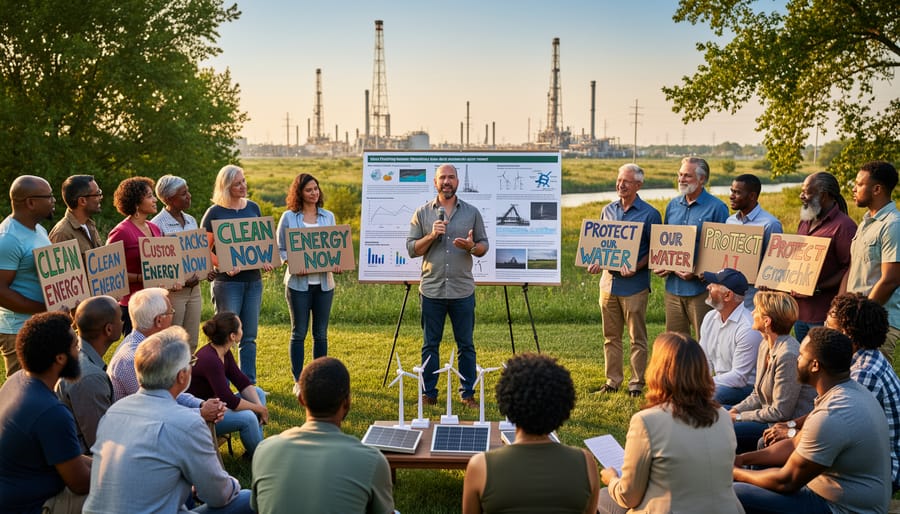
What Communities and Individuals Can Do
The challenge of hydraulic fracturing may seem daunting, but communities and individuals hold tremendous power to create meaningful change. By taking strategic action at multiple levels, we can protect our environment, health, and future while advancing cleaner energy alternatives.
Start by becoming an informed advocate. Research fracking proposals in your area by attending local government meetings, reviewing environmental impact assessments, and submitting public comments during decision-making periods. Many communities have successfully delayed or prevented fracking operations through organized civic participation. Your voice matters, and elected officials respond to constituent concerns, especially when they’re well-informed and persistent.
Support the transition to renewable energy in practical ways. Consider switching to a green energy provider if available in your region, installing solar panels if feasible, or participating in community solar programs that make clean energy accessible regardless of homeownership status. Even small choices like improving home energy efficiency reduce overall fossil fuel demand and demonstrate market support for alternatives.
Connect with organizations leading this work. Groups like Earthworks, Food & Water Watch, and local environmental coalitions provide resources, organize campaigns, and amplify community voices. These organizations often need volunteers for research, outreach, and event coordination. Contributing your time, skills, or financial support strengthens collective impact.
Engage your community through education and conversation. Host film screenings, share credible information on social media, or organize educational events featuring affected residents or environmental scientists. Personal stories and local examples make abstract issues tangible and inspire others to act.
For those in affected areas, document and report concerns. If you notice water quality changes, unusual odors, or health symptoms potentially linked to nearby operations, contact your health department and consider participating in community health surveys. Citizen science projects and health registries provide valuable data for researchers and regulators.
Invest and divest strategically. If you have retirement accounts or investment portfolios, explore options that exclude fossil fuel companies or prioritize renewable energy. Contact your financial institution about socially responsible investment options that align with your values.
Remember, change happens through sustained collective effort. Whether you’re signing petitions, attending town halls, supporting clean energy, or simply having conversations with neighbors, each action contributes to building a healthier, more sustainable future. Together, communities across the country are proving that determined citizens can protect their environment and shape energy policies that prioritize people and planet over short-term profit.
The environmental and health impacts of hydraulic fracturing reveal a deeply interconnected story. From contaminated water supplies affecting drinking water quality to air pollution triggering respiratory conditions, from habitat fragmentation disrupting ecosystems to increased seismic activity threatening community safety, fracking’s footprint extends far beyond the drill site. These environmental consequences ripple directly into our communities, affecting children’s development, increasing cancer risks, and undermining the well-being of those living in extraction zones.
Transitioning away from fossil fuels is undeniably complex, requiring careful planning, economic considerations, and support for affected workers and communities. Yet the evidence clearly demonstrates that continuing down the path of intensive fracking carries costs we cannot afford to ignore. The real-world experiences of communities from Pennsylvania to Texas show us that protecting public health and environmental integrity must be central to our energy decisions.
The path forward is both challenging and inspiring. Communities across the country are already leading the way, advocating for stricter regulations, investing in renewable energy alternatives, and proving that sustainable solutions are not only possible but economically viable. You have the power to contribute to this transformation. Support local renewable energy initiatives, engage with policymakers about stronger environmental protections, educate others about these issues, and consider your own energy choices. When communities unite around shared values of health, sustainability, and justice, meaningful change becomes inevitable. The future of energy is being written now, and your voice matters in shaping it toward a cleaner, healthier tomorrow for all.