

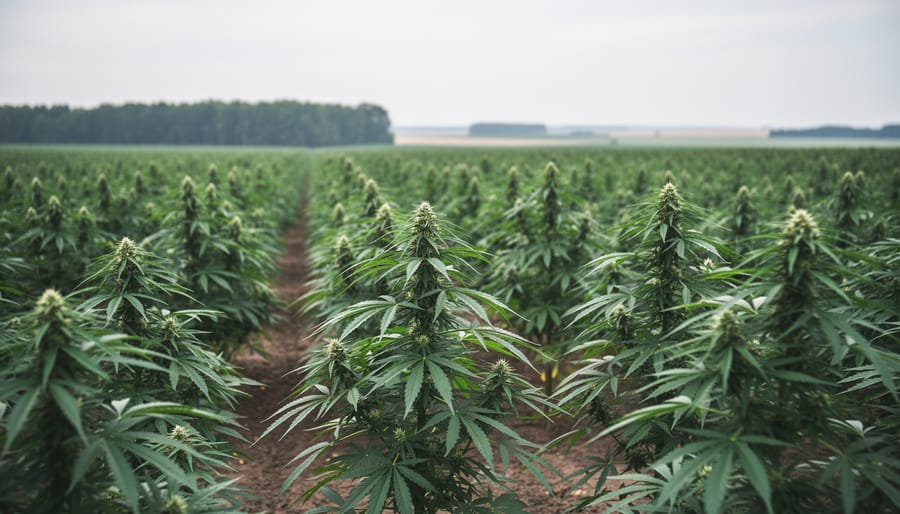
Hemp cultivation environmental health impacts in Canada refer to the measurable effects that growing industrial hemp has on soil, water, air quality, and biodiversity, as well as the associated human health outcomes. These impacts span both benefits (carbon sequestration, reduced pesticide use, soil regeneration) and challenges (water consumption, processing emissions, land use changes), making hemp a crop with significant but nuanced environmental implications for communities pursuing sustainable agriculture and climate change impacts mitigation.
Understanding these environmental dynamics matters now more than ever. Canada legalized hemp cultivation in 1998 and has since become a global leader in production, with over 84,000 acres cultivated across the Prairies and Ontario in recent years. The hemp-derived cannabis industry, particularly CBD products featured on the Exhale Wellness website has driven new demand for hemp biomass. This growth intersects directly with water quality, agricultural runoff, and soil health concerns highlighted in the latest Canadian health report, making the sustainability question urgent for policymakers, farmers, and communities alike.
This article unpacks exactly how hemp cultivation works in Canada, from seed to harvest. You’ll discover which agronomic practices produce the greatest environmental benefits, what processing steps carry hidden ecological costs, and how different cultivation models (organic versus conventional, small-scale versus industrial) create distinct health outcomes. We examine real data from Canadian farms, assess hemp’s role in carbon-neutral agriculture, and provide actionable guidance for evaluating sustainability claims.
Whether you’re a municipal planner weighing agricultural policy, a consumer choosing CBD products, or a community leader exploring regenerative farming, you’ll walk away with science-based insights to make informed decisions about hemp’s place in a healthier, more sustainable Canada.
What Hemp Cultivation Means in the Canadian Context
Hemp cultivation in Canada refers to the legal growing of Cannabis sativa L. plants specifically selected for their low tetrahydrocannabinol (THC) content. Unlike marijuana, which is cultivated for its psychoactive properties, industrial hemp is grown for fiber, grain, and cannabinoid extraction while maintaining THC concentrations at or below 0.3% in the flowering heads and leaves. This legal threshold distinguishes hemp from its cannabis cousin and determines how farmers must approach every aspect of production.
Canada’s regulatory framework fundamentally changed in 2018 when the Cannabis Act created a unified system governing both recreational marijuana and industrial hemp. While the Act maintains separate pathways for these crops, it consolidated oversight under Health Canada and established clear parameters for what qualifies as hemp. Farmers must obtain specific licenses before planting, either an industrial hemp license for fiber and grain production or a cultivation license for hemp-derived cannabis products like CBD oil. The licensing requirements for hemp specify approved cultivar lists, testing protocols, and record-keeping obligations that vary depending on the intended end use.
Understanding hemp’s regulatory vocabulary helps clarify what cultivation actually involves:
- Industrial Hemp
- Cannabis plants grown primarily for fiber, grain, or seed oil, containing no more than 0.3% THC and cultivated under an industrial hemp license.
- Hemp-Derived Cannabis
- Cannabis plants meeting hemp’s THC threshold but grown specifically for extracting cannabinoids like CBD, requiring a standard cultivation license rather than an industrial hemp license.
- Cannabinoids
- Chemical compounds found in cannabis plants, including CBD (cannabidiol, non-psychoactive) and THC (tetrahydrocannabinol, psychoactive), which determine the plant’s effects and legal classification.
- Cultivation License
- Authorization required for growing hemp-derived cannabis for cannabinoid extraction, subject to more stringent security and reporting requirements than industrial hemp licenses.
The distinction between industrial hemp and hemp-derived cannabis matters because cultivation practices, environmental impacts, and regulatory burdens differ significantly. A farmer growing hemp for biodegradable textiles faces different constraints than one producing CBD extract, even when both start with genetically similar low-THC plants. This regulatory split shapes everything from water use to waste management, influencing the environmental footprint of Canada’s expanding hemp industry.
How Hemp Cultivation Works: From Seed to Harvest
Fiber vs. Grain vs. Cannabinoid Production
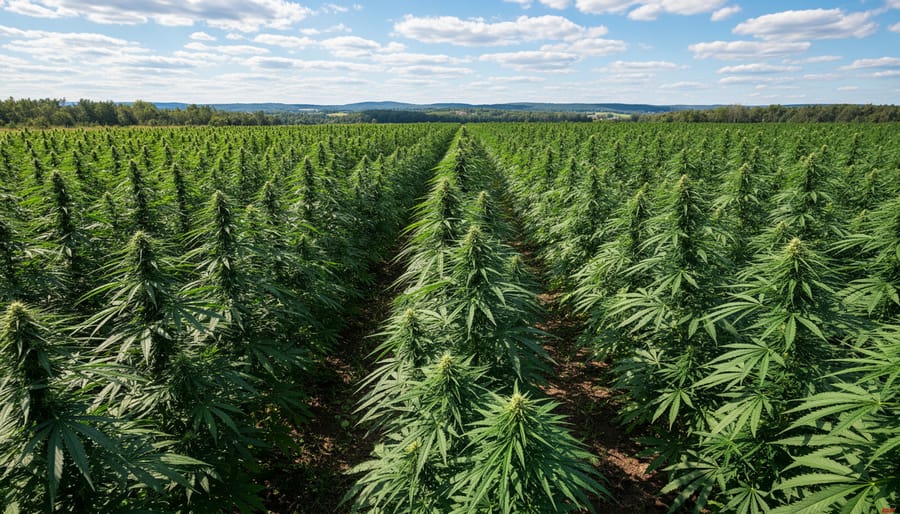
The three primary outputs from hemp cultivation, fiber, grain, and cannabinoids, each demand distinct growing approaches that directly influence environmental impacts.
Fiber production requires dense planting at 250 to 400 plants per square meter. Farmers seed these crops earlier in the season to maximize stalk height, typically harvesting after 70 to 90 days when plants reach 3 to 5 meters tall. This tight spacing naturally suppresses weeds, reducing or eliminating herbicide needs. The goal is slender stalks with minimal branching, so fiber varieties receive moderate nitrogen and less phosphorus compared to other hemp types.
Grain cultivation uses wider spacing, around 35 to 70 plants per square meter, allowing each plant to branch and produce abundant seed heads. These crops mature in 100 to 120 days, requiring balanced fertilization with higher phosphorus levels during flowering. Grain hemp’s longer growing season means greater water demands during critical seed development phases, particularly in August when Prairie droughts can strain yields.
Cannabinoid production for hemp-derived cannabis products like CBD oil demands the most intensive approach. Farmers plant exclusively female plants at 1,000 to 1,500 per hectare to prevent pollination, which reduces cannabinoid concentrations. These CBD-rich varieties need precise nutrient management, particularly calcium and magnesium, and controlled watering schedules. Outdoor cannabinoid crops harvest before frost, typically in late September, while some producers use energy-intensive indoor or greenhouse systems to extend growing seasons and maximize CBD content through environmental control. This production model carries higher energy and resource costs than fiber or grain operations.
Types of Hemp Cultivation Systems in Canada
Canadian hemp growers employ four primary cultivation systems, each with distinct environmental profiles and regional adaptations shaped by the country’s diverse climate zones.
Conventional outdoor farming remains the dominant approach, particularly across the Prairie provinces of Alberta, Saskatchewan, and Manitoba. These operations typically plant hemp in late May to early June after the last frost, relying on natural precipitation supplemented by irrigation in drier regions. Conventional systems use synthetic fertilizers and registered pesticides when necessary, though hemp’s natural pest resistance means chemical inputs remain lower than for crops like canola or wheat. The environmental footprint varies significantly: dryland operations in Saskatchewan’s parkland belt use minimal external inputs, while irrigated farms in southern Alberta draw more heavily on water resources but achieve higher yields per hectare.
Organic certification pathways are gaining traction, especially in British Columbia, Ontario, and Quebec where consumer demand for certified organic hemp-derived cannabis products runs higher. Organic hemp cultivation prohibits synthetic pesticides and fertilizers, instead relying on crop rotation, cover cropping, compost applications, and biological pest control. The certification process through bodies like Pro-Cert Organic Systems or Ecocert Canada typically requires a three-year transition period during which farms must demonstrate compliance with Canadian Organic Standards. While organic systems reduce chemical runoff and support soil biodiversity, they often require more land area to achieve equivalent yields, creating a trade-off between input reduction and land-use efficiency.
Regenerative agriculture methods represent an emerging approach that goes beyond organic certification to actively improve soil health, water cycles, and ecosystem function. Canadian hemp farmers practicing regenerative methods integrate techniques like no-till planting, diverse cover crop mixtures, composting, and managed grazing when hemp is part of a mixed farming operation. Manitoba’s Interlake region has seen notable adoption of these practices, with growers reporting measurable increases in soil organic matter and water retention capacity after several years of regenerative hemp cultivation.
Controlled environment agriculture, indoor or greenhouse cultivation, remains relatively rare for industrial hemp but has expanded for cannabinoid-rich varieties used in CBD production. Ontario and British Columbia host most of these facilities, which offer precise control over growing conditions but carry substantially higher energy costs and carbon footprints than field production.
Environmental Benefits of Hemp Cultivation
Hemp as a Carbon-Capturing Crop
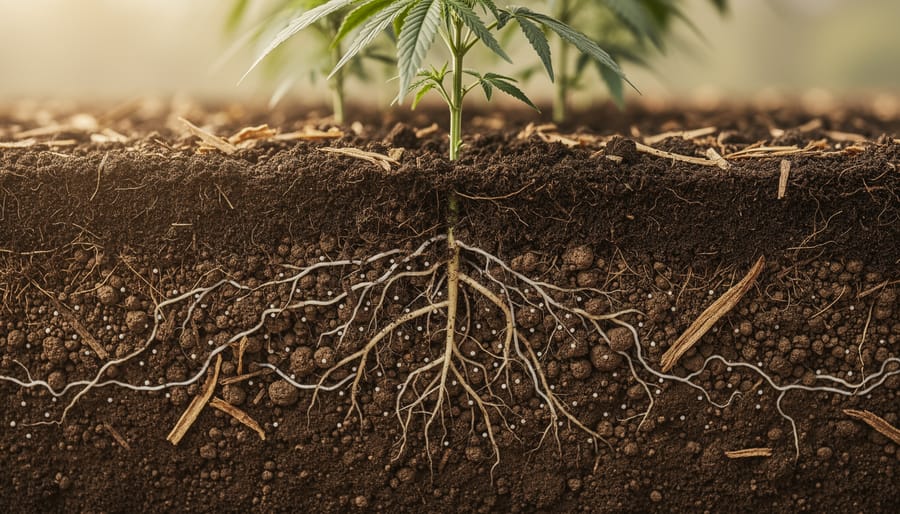
Hemp stands out among agricultural crops for its exceptional carbon sequestration capacity. A single hectare of industrial hemp can absorb approximately 8 to 15 tonnes of CO2 during a four-month growing season, substantially outperforming traditional crops like wheat (which captures roughly 3.5 tonnes per hectare) or canola (around 4 tonnes per hectare). This rapid CO2 uptake occurs because hemp grows quickly, reaching heights of 3 to 4 metres in just 100 to 120 days, and develops extensive biomass both above and below ground. The plant’s deep taproot system, which can extend over 2 metres into the soil, stores carbon in root structures while simultaneously improving soil structure and preventing erosion.
For Canada, which committed to reducing greenhouse gas emissions by 40 to 45 percent below 2005 levels by 2030, expanding hemp cultivation offers a practical agricultural tool alongside industrial changes addressing public health and emissions. Unlike perennial crops that sequester carbon over many years, hemp’s value lies in its annual cycle and dual-use potential: after harvest, hemp fibre can be incorporated into long-lasting building materials (like hempcrete), effectively locking captured carbon away for decades rather than releasing it back to the atmosphere through decomposition. When cultivated as part of crop rotation systems across Canada’s 35 million cultivated hectares, even modest hemp integration could sequester millions of tonnes of CO2 annually while regenerating soils depleted by conventional farming.
Environmental Challenges and Considerations
While hemp offers impressive environmental advantages, responsible cultivation requires acknowledging and addressing several genuine challenges. These concerns vary significantly depending on production scale, regional context, and intended end product, particularly when comparing fiber or grain operations to hemp-derived cannabis cultivation focused on CBD extraction.
Monoculture and Soil Depletion Risks
Even though hemp improves soil in rotation systems, continuous monoculture cultivation on the same land can deplete specific nutrients and reduce microbial diversity over time. Large-scale operations that prioritize short-term yields may skip crop rotation, gradually diminishing the soil health benefits that make hemp attractive in the first place. This becomes especially problematic in regions where economic pressures push farmers toward year-after-year hemp planting without integrating cover crops or nitrogen-fixing legumes.
Energy-Intensive Processing and Extraction
Hemp-derived cannabis production introduces environmental considerations absent from traditional fiber or grain operations. CBD extraction facilities require substantial energy for drying, milling, solvent-based or CO2 extraction processes, and product refinement. Indoor cannabinoid cultivation, sometimes used for premium CBD varieties, demands climate control, artificial lighting, and ventilation that dramatically increases the carbon footprint compared to outdoor fiber hemp. A 2024 analysis found that indoor cannabis cultivation can consume 2,000 to 3,000 kilowatt-hours per kilogram of dried flower, raising questions about net environmental benefits when extraction infrastructure relies on fossil-fuel grids.
Water Management in Vulnerable Regions
Although hemp generally needs less water than crops like alfalfa, drought-prone areas of the Prairies face real challenges during establishment phases when young plants require consistent moisture. Irrigation demands for cannabinoid-focused hemp can exceed those for fiber varieties, and poor water management creates localized stress on aquifers and surface water systems. When extraction facilities discharge wastewater without proper treatment, residual solvents and organic matter introduce potential environmental health risks to nearby waterways.
Key Considerations for Sustainable Hemp Farming:
- Implement mandatory crop rotation schedules to preserve soil health and prevent nutrient mining
- Transition processing facilities to renewable energy sources to offset extraction-related emissions
- Develop closed-loop water systems that recycle and treat wastewater on-site
- Establish strict pesticide monitoring for non-organic operations, especially near sensitive ecosystems
- Create regional water-use guidelines based on watershed capacity and climate projections
Chemical Inputs and Certification Gaps
Non-organic hemp operations may apply synthetic pesticides, herbicides, or fungicides that contradict the crop’s low-input reputation. Canada’s organic certification pathways exist but remain underutilized, and the regulatory framework for hemp-derived cannabis doesn’t always mandate the same environmental standards applied to food crops. Pesticide residues in CBD products have raised consumer safety concerns, but the upstream environmental effects, runoff into streams, harm to pollinator populations, receive less attention despite their broader ecological significance.
Acknowledging these challenges doesn’t diminish hemp’s potential; it clarifies where policy improvements, farmer education, and industry accountability can turn promise into measurable environmental progress.
How Hemp Cultivation Is Used in Canada’s Sustainability Goals
Case Study: Hemp Farming in the Prairies
In southern Alberta, Highwood Crossing farm has cultivated hemp for grain and CBD oil since 2019, rotating it with wheat and canola on 400 acres. The operation achieved a 35% reduction in synthetic fertilizer use by integrating hemp into their rotation, hemp’s deep taproot breaks up compacted soil layers and adds organic matter when the biomass decomposes after harvest.
Owner Sarah Chen reports measurable improvements in soil health metrics: organic carbon levels increased from 2.1% to 2.8% over four growing seasons, and water retention capacity improved by 18%. The farm uses no pesticides on hemp fields, relying instead on the crop’s natural pest resistance and companion planting with native wildflowers along field margins to support beneficial insects.
For CBD production, Highwood Crossing partnered with a Calgary processor using supercritical CO2 extraction, which produces no chemical solvents or toxic wastewater. Processing residue returns to the farm as compost. Chen estimates the operation sequesters approximately 1.2 tonnes of CO2 per acre annually when accounting for biomass and soil carbon gains, making hemp their most climate-positive crop.
Wastewater and Soil Health Impacts
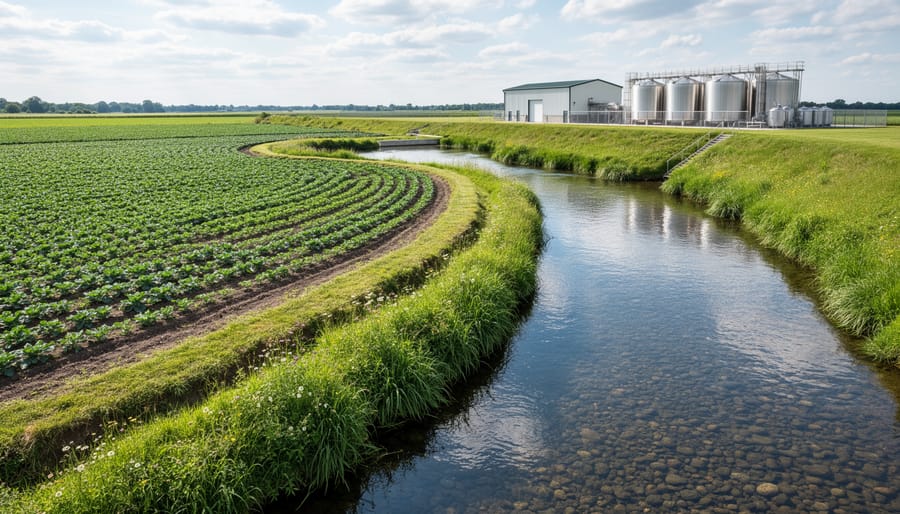
Hemp cultivation’s interaction with Canada’s water systems and soil ecosystems reveals a nuanced environmental profile that differs markedly from conventional agriculture. Unlike corn or canola operations that typically require heavy irrigation and synthetic fertilizers, hemp demonstrates remarkable water efficiency, studies from Alberta farms show hemp uses 30-50% less water per hectare than wheat while producing comparable biomass. This lower water demand translates directly into reduced stress on groundwater aquifers and surface water withdrawals, particularly valuable in the drought-prone Prairie provinces.
The deep taproot system that hemp develops, often extending two meters below the surface, creates natural soil improvements that persist long after harvest. These roots break up compacted layers, increase water infiltration rates, and add organic matter when they decompose. Research from Ontario agricultural stations indicates that fields in hemp rotation show 15-20% higher water retention capacity and improved soil structure compared to continuous cereal cropping. The crop’s rapid canopy growth also minimizes soil erosion during critical spring months when many fields would otherwise sit exposed.
However, hemp-derived cannabis production introduces distinct wastewater considerations that don’t apply to fiber or grain operations. CBD and cannabinoid extraction facilities generate process water contaminated with plant residues, solvents (even in CO2 extraction systems), and concentrated organic compounds. While volumes remain smaller than those from conventional oilseed crushing facilities, the biochemical oxygen demand of this wastewater can be significant. Licensed processors in British Columbia and Quebec now face stricter discharge regulations requiring on-site treatment systems before releasing water to municipal systems.
Nutrient runoff presents less concern with hemp than with nitrogen-intensive crops like corn, as hemp typically requires only moderate fertilization, about half the nitrogen input per hectare. The crop’s allelopathic properties also suppress weed growth naturally, reducing herbicide applications that might otherwise leach into waterways. Fields transitioned to organic hemp cultivation in Saskatchewan have shown measurably lower nitrate levels in tile drainage water compared to their conventional cropping history.
What Individuals and Communities Can Do
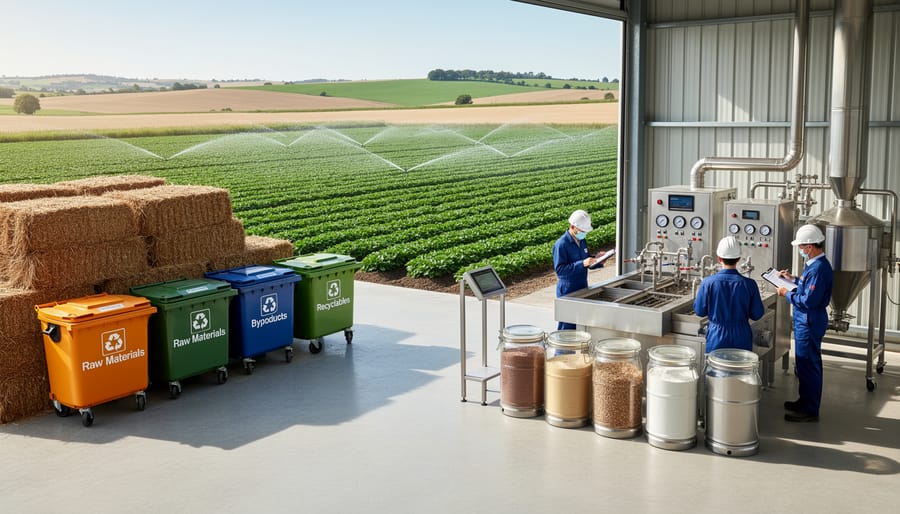
Supporting sustainable hemp cultivation in Canada requires coordinated action across multiple levels. Whether you’re a consumer, farmer, policymaker, or community member, your choices and advocacy can amplify hemp’s environmental benefits while minimizing potential drawbacks.
For Consumers
Your purchasing decisions signal market demand for responsibly grown hemp products. Look for certified organic hemp-derived CBD oils, textiles, and foods, these labels indicate farms avoided synthetic pesticides and followed soil-building practices. Ask brands about their sourcing: companies transparent about their Canadian supply chains and regenerative farming partnerships deserve your support. When possible, choose local hemp products to reduce transportation emissions and strengthen regional economies.
For Farmers and Agricultural Businesses
Transitioning even a portion of your acreage to hemp as part of crop rotation can improve soil structure and break pest cycles for subsequent plantings. Consider pursuing organic certification through bodies like Pro-Cert or Ecocert Canada, which opens premium markets while protecting watershed health. Connect with organizations like the Canadian Hemp Trade Alliance for resources on regenerative techniques such as cover cropping between hemp seasons and minimal tillage approaches. Track and share your environmental outcomes, quantified data on carbon sequestration or reduced chemical inputs strengthens the case for hemp across the industry.
For Policymakers and Municipal Leaders
Integrate hemp into agricultural development plans and climate action strategies. Streamline licensing processes for small-scale hemp farmers to encourage diversification beyond industrial monocultures. Support research funding for hemp breeding programs focused on drought tolerance and pest resistance suited to Canadian climates. Incentivize processing infrastructure that treats wastewater from cannabinoid extraction responsibly, and explore hemp-based materials in municipal construction projects to create local demand.
For Community Organizations and Educators
- Host workshops connecting farmers with agronomists experienced in regenerative hemp cultivation methods.
- Organize farm tours showcasing successful hemp operations to demystify the crop and build public support.
- Partner with Indigenous communities to explore traditional land management practices applicable to hemp farming.
- Advocate for hemp research plots in community gardens or educational farms to gather localized growing data.
- Create consumer education campaigns distinguishing sustainable hemp products from conventionally grown alternatives.
Collaborative efforts multiply impact. A municipality that adjusts zoning for hemp processing, paired with farmers adopting organic methods and consumers choosing certified products, creates a reinforcing cycle. Regional food policy councils and agricultural networks provide venues to coordinate these stakeholders, ensuring hemp cultivation serves both environmental health and community resilience. Start with one actionable step in your sphere of influence, then build connections outward, sustainable hemp systems grow from these grounded, incremental commitments.
Frequently Asked Questions
How much water does hemp cultivation actually use compared to other crops?
Hemp typically requires 30-50% less water than cotton and significantly less than corn during the growing season, needing roughly 300-400mm of rainfall or irrigation. Most Canadian hemp is rain-fed rather than irrigated, reducing water demands further in provinces with adequate precipitation.
What’s the difference between growing hemp and marijuana from an environmental standpoint?
Industrial hemp grows outdoors with minimal inputs and matures in 90-120 days, while marijuana cultivation (especially indoor operations) demands intensive lighting, climate control, and pest management that consume substantially more energy and resources. Hemp-derived cannabis falls between these extremes, outdoor CBD hemp has environmental impacts closer to industrial hemp, though processing requires additional energy and water.
Does hemp cultivation require pesticides and herbicides?
Hemp’s natural pest resistance means it typically needs far fewer chemical inputs than conventional crops like canola or wheat. Many Canadian growers use no pesticides at all, though some apply herbicides early in the season to manage weeds before hemp’s dense canopy suppresses them naturally.
Can hemp farming actually remove contaminants from soil?
Yes, hemp is a proven phytoremediator that absorbs heavy metals and toxins from contaminated soil through its roots and stores them in plant tissues. However, hemp grown on polluted land should not be used for food, fiber, or cannabinoid products, it’s strictly a remediation tool in those contexts.
Is organic hemp farming economically viable in Canada?
Organic certification adds costs and typically reduces yields by 10-20%, but premium prices for organic hemp grain, CBD oil, and fiber often offset these factors. Farmers report that transitioning to organic methods takes three years but builds soil health that reduces input costs over time.
What happens to wastewater from hemp processing facilities?
Extraction facilities producing CBD and other cannabinoids generate wastewater containing plant residues and solvents that require treatment before discharge. Responsible operations implement closed-loop systems or work with municipal wastewater treatment plants, though regulations vary by province and some smaller operations lack adequate infrastructure.
Does Canada regulate the environmental impact of hemp cultivation?
Health Canada licenses hemp growers under the Cannabis Act but focuses primarily on THC content rather than environmental practices. Provincial agriculture departments and organic certification bodies set standards for pesticide use, soil management, and water quality, creating a patchwork of oversight that some growers find insufficient for ensuring consistent sustainability.
These questions reflect concerns that arise when communities consider hemp as part of their agricultural landscape. The answers point to hemp’s environmental advantages while acknowledging areas where oversight and best practices still need strengthening. For farmers weighing certification costs against market premiums, the economic viability question matters as much as the ecological one, sustainable practices only scale when they make financial sense for the people doing the work.
Understanding hemp’s regulatory environment helps clarify why some environmental impacts remain under-monitored. Unlike conventional crops with decades of established agricultural extension support, hemp cultivation in Canada is relatively new at scale, and environmental standards continue to evolve as the industry matures.
Hemp cultivation stands at a compelling intersection of agricultural innovation and environmental stewardship in Canada. As we’ve explored throughout this article, growing hemp, whether for fiber, grain, or hemp-derived cannabis products like CBD, offers measurable environmental benefits including carbon sequestration, soil remediation, and reduced pesticide dependence. Yet these advantages come with responsibilities: addressing monoculture risks, managing processing wastewater thoughtfully, and ensuring cultivation practices truly deliver on sustainability promises.
Canada’s position as a global hemp producer gives us both opportunity and obligation. Every hectare planted with regenerative practices contributes to climate goals. Every farmer choosing organic certification protects watershed health. Every consumer selecting sustainably grown hemp-derived cannabis products signals market demand for environmental accountability.
The path forward isn’t about portraying hemp as a silver bullet, but recognizing it as one valuable tool in our larger climate toolkit. When integrated into diverse crop rotations, supported by science-based policies, and guided by genuine environmental principles rather than greenwashing, hemp cultivation can meaningfully advance Canada’s sustainability objectives.
Whether you’re a farmer considering hemp as your next crop, a policymaker shaping agricultural frameworks, or a consumer making purchasing decisions, you have a role in determining whether hemp reaches its environmental potential. The research is clear: done right, hemp cultivation supports healthier ecosystems. Now it’s up to us to ensure those best practices become standard practice across Canada’s growing hemp industry.