

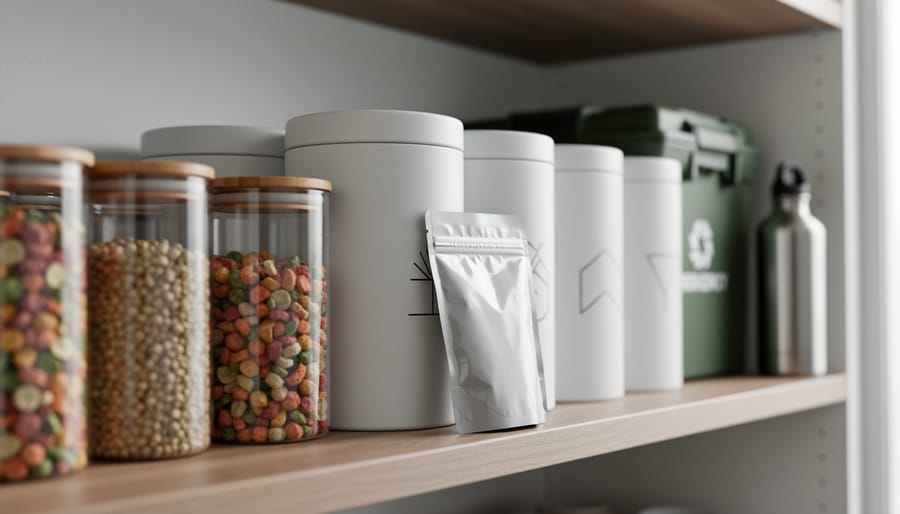
Building a one-year freeze-dried food supply takes approximately three to six months of strategic planning and purchasing, requiring an investment of $2,500 to $4,000 for a single adult, but it delivers both household security and environmental benefits when done thoughtfully.
The approach is straightforward: calculate your caloric needs, select nutrient-dense freeze-dried staples with long shelf lives, organize storage in cool, dry conditions, and rotate stock systematically. What makes this different from panic-driven stockpiling is the dual focus on genuine emergency readiness and sustainability. Freeze-dried foods offer a 25-year shelf life with minimal waste, require no refrigeration energy, and when sourced from responsible producers, can support local food systems while reducing your household’s vulnerability to supply chain disruptions.
Climate events have made food security a pressing concern across Canada. The 2024 wildfires in British Columbia and the 2025 spring floods in Quebec disrupted grocery deliveries for weeks, leaving thousands scrambling. A well-planned freeze-dried reserve isn’t about doomsday thinking. It’s practical resilience that frees you from last-minute store rushes, reduces food waste through precise portion control, and cuts your carbon footprint by eliminating spoilage and repeated emergency trips.
This guide walks you through building your supply systematically: assessing your household’s actual needs, choosing products that balance nutrition with environmental impact, setting up efficient storage, and maintaining your reserve without generating waste. You’ll learn to evaluate suppliers on sustainability criteria, understand the true environmental cost of different preservation methods, and integrate your one-year supply into everyday meal planning. The goal is a food reserve that serves both your family’s security and your commitment to a more sustainable food system, turning emergency preparedness into an act of environmental stewardship rather than just survival planning.
Why Freeze Dried Food Supports Sustainable Food Systems
Freeze drying transforms how we think about food preservation and its environmental footprint. Unlike canned or traditionally frozen foods, freeze dried products retain 97% of their nutritional value while requiring no refrigeration for storage, eliminating the constant energy drain of freezers and refrigerators. This preservation method removes water through sublimation, reducing food weight by up to 90% and dramatically cutting transportation emissions. A truckload of freeze dried food represents the nutritional equivalent of multiple conventional loads, meaning fewer vehicles on highways and less fuel consumed per calorie delivered.
The sustainability advantages extend far beyond logistics. Freeze drying companies cut food waste by preserving seasonal abundance that would otherwise spoil, turning surplus harvests into stable, long-lasting nutrition. With shelf lives exceeding 25 years when properly stored, freeze dried foods eliminate the constant cycle of spoilage and replacement that plagues conventional pantries. Families throw away less, retailers lose less to expiration, and communities can stockpile without guilt.
The climate resilience angle matters just as much. When extreme weather disrupts supply chains or power grids fail, freeze dried supplies remain safe without electricity. Communities with distributed food reserves weather crises without overwhelming emergency systems or relying entirely on just-in-time delivery networks vulnerable to climate shocks. This isn’t just personal preparedness, it’s building adaptive capacity into our food systems. By reducing dependence on fragile cold chains and creating buffers against disruption, freeze dried foods support the kind of decentralized, resilient infrastructure we need as climate impacts intensify.
What You’ll Need to Build Your Supply
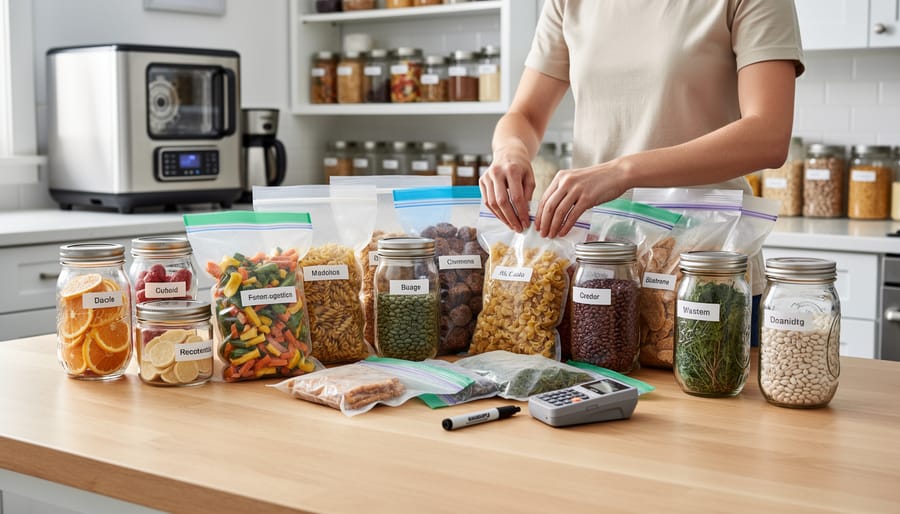
Building a sustainable one-year freeze dried food supply requires more than good intentions, you need the right materials, adequate space, and a clear plan. Whether you’re starting with commercially prepared foods or exploring how home freeze drying can transform freeze drying practices at the household level, the foundational elements remain consistent.
Start by gathering these essential materials:
- Food-grade storage buckets (5-gallon size) with gamma seal lids for easy access and airtight protection
- Mylar bags in various sizes (1-gallon for most items, smaller for portions) with 5-7 mil thickness
- Oxygen absorbers rated for the bag size you’re using (typically 300-500cc for gallon bags)
- Durable labels or permanent markers that won’t fade over years of storage
- Inventory tracking system, a simple spreadsheet works, or use preparedness apps designed for food rotation
- Dedicated storage area of approximately 15-20 cubic feet (roughly the size of a small closet)
- Optional: home freeze dryer unit if pursuing DIY preservation ($2,000-$3,500 initial investment)
Storage containers form your first line of defense against moisture, light, and pests. Food-grade buckets provide sturdy outer protection, while Mylar bags create an interior barrier that blocks oxygen and humidity. Oxygen absorbers complete the preservation triad by removing residual air that could degrade nutrients over time.
Space requirements prove smaller than most people expect. A year’s supply for one person typically occupies 8-10 cubic feet, while a family of four needs 15-20 cubic feet, less than a standard bedroom closet. The key is vertical organization using sturdy shelving that maximizes your available space without requiring climate-controlled square footage.
Budget considerations vary widely based on your approach. Purchasing pre-made freeze dried meals ranges from $3,000-$5,000 for a year’s supply per person, while bulk staples (grains, beans, vegetables) cost $1,500-$2,500 annually. DIY freeze drying demands upfront equipment costs but reduces long-term expenses, especially when preserving garden surplus or bulk-purchased seasonal produce.
Your inventory system, whether a simple spreadsheet noting purchase dates, quantities, and rotation schedules, or specialized software, prevents waste by ensuring you use and replace items before quality declines. This organizational step transforms a static stockpile into a dynamic, zero-waste system.
Important Safety and Storage Considerations
Proper storage conditions are the difference between a reliable, nutrient-rich food supply and spoiled, potentially unsafe products. Freeze dried foods offer exceptional shelf life, but only when stored correctly.
Temperature control is your first priority. Store your freeze dried foods in a space that remains between 50 and 70°F year-round. Higher temperatures accelerate nutrient degradation and shorten shelf life, while freezing temperatures won’t necessarily damage the food but can compromise packaging seals through expansion and contraction. Basements, interior closets, and climate-controlled storage areas work well. Avoid garages, attics, and spaces near furnaces or water heaters where temperature swings are common.
Humidity presents the greatest threat to freeze dried foods. These products are engineered to contain less than 2% moisture, and any exposure to humid air triggers rapid deterioration. Aim for relative humidity below 15% in your storage area. Use dehumidifiers if necessary, particularly in coastal or humid climates. Silica gel packets placed near (not inside) food containers can help monitor humidity levels.
Light exposure degrades both nutrients and packaging materials over time. Store foods in opaque containers or in dark spaces away from windows and fluorescent lighting. UV rays break down vitamins and can cause Mylar bags to become brittle.
Pest prevention requires vigilance. Inspect your storage area monthly for signs of rodents, insects, or moisture intrusion. Elevate containers off concrete floors using pallets or shelving to prevent condensation contact and make inspection easier.
Source your freeze dried foods exclusively from established suppliers with transparent production practices and proper packaging. Unverified sellers may use inadequate packaging, incorrect moisture levels, or unsafe processing methods. Check every package upon arrival for intact seals and proper oxygen absorber activation, they should feel hard and brick-like, not soft.
Establish a rotation system immediately. Label each container with purchase date and contents, then arrange storage so oldest items are most accessible. This practice ensures you use foods within their optimal quality window and maintains familiarity with your supply.
Step-by-Step: Building Your One-Year Supply
Step 1: Calculate Your Household’s Needs
Start by determining how many calories each person in your household needs daily. A general baseline is 2,000 calories per person per day, but adjust for age, activity level, and special considerations. Adults engaged in physical labor may need 2,500-3,000 calories, while children typically require 1,200-2,000 depending on their age.
Use this formula: Daily calories per person × 365 days × number of household members = total annual calories needed. For a family of four averaging 2,000 calories each, that’s 2,920,000 calories for the year.
Next, account for dietary restrictions and preferences. Does anyone follow a plant-based diet, have food allergies, or require low-sodium options? A nursing parent might need an additional 300-500 calories daily. Someone with diabetes will need careful carbohydrate planning.
Convert your calorie total into actual food quantities by checking nutrition labels on freeze dried products. Most manufacturers list servings per container and calories per serving. A freeze dried entrée typically provides 200-400 calories per serving, while fruits and vegetables contribute 50-150 calories.
Build in a 10-15% buffer for miscalculations, increased activity during emergencies, or sharing with neighbors. This calculation becomes your shopping roadmap for the remaining steps.
Step 2: Choose Sustainable, Nutrient-Dense Foods
Start with the foods that deliver the most nutritional bang for your storage buck. Prioritize whole grains like quinoa, brown rice, and oats, they provide sustained energy, fiber, and essential minerals while requiring minimal processing. Freeze dried fruits and vegetables should form the backbone of your supply, offering vitamins, antioxidants, and variety throughout the year.
Plant-based proteins deserve special attention. Freeze dried beans, lentils, and chickpeas rehydrate beautifully and supply protein, iron, and fiber without the environmental footprint of animal products. Include freeze dried tofu or tempeh if available, these options add texture and protein diversity while supporting sustainable soy production.
For animal proteins, choose wisely. Look for freeze dried chicken, fish, or eggs from companies that disclose their sourcing practices and prioritize regenerative farming or sustainable fisheries. These should supplement, not dominate, your supply. A well-rounded year’s worth might be 60-70% plant-based by weight.
Seek out suppliers who provide transparency about their ingredient origins. Companies earning B Corp certification, using organic ingredients, or partnering with regenerative farms align better with sustainability goals. Read labels carefully, avoid products with unnecessary additives, excessive sodium, or ingredients you can’t pronounce.
Balance is crucial. Aim for at least 20 different foods across categories to prevent palate fatigue and ensure nutritional completeness. Include herbs, spices, and flavor enhancers to maintain meal satisfaction over twelve months.
Step 3: Source Your Freeze Dried Foods Responsibly
Once you’ve determined your needs and selected your foods, focus on sourcing methods that align with both your budget and environmental values.
Start by researching freeze dried food companies with transparent sustainability practices. Look for suppliers who use renewable energy, source ingredients locally or organically, and minimize packaging waste. Many reputable companies now publish sustainability reports detailing their climate resilience efforts and carbon footprints.
Consider DIY freeze drying if you have access to equipment through a friend, community kitchen, or tool-sharing program. This lets you preserve seasonal surplus from farmers’ markets or your garden at peak freshness, reducing transportation emissions and supporting local agriculture. Harvest Sharing, a cooperative in British Columbia, lends freeze dryers to members who process community garden harvests.
Join or form a bulk-buying cooperative with neighbors or local sustainability groups. Pooling orders reduces per-unit costs, shipping impacts, and packaging waste. Some co-ops negotiate directly with manufacturers for larger volumes at wholesale prices, making sustainable options more affordable while building community connections that strengthen broader food security networks.
Step 4: Organize and Package for Longevity
Proper packaging transforms a collection of freeze dried foods into a true long-term supply. Start by inspecting all containers, if original packaging shows any compromise, transfer contents immediately to food-grade Mylar bags or airtight buckets. Layer strategically: place one 300cc oxygen absorber for every gallon of food at the bottom of the container, add your freeze dried items, then top with a second absorber before sealing. This dual-layer approach ensures complete oxygen removal, the primary enemy of shelf life.
Seal Mylar bags using a household iron on medium-high heat, pressing firmly across the top edge to create an airtight bond. Leave one inch unsealed, insert the final oxygen absorber, then quickly complete the seal. Within 24 hours, bags should vacuum tight against contents, a visual confirmation your packaging works.
Organize containers by food category: proteins together, grains together, fruits and vegetables grouped separately. Label each with contents, packaging date, and intended rotation date using permanent marker. This systematic approach prevents waste by making inventory visible and ensuring older items get used first, while proper sealing can extend shelf life from 5 years to 25+ years.
Step 5: Create Your Storage System
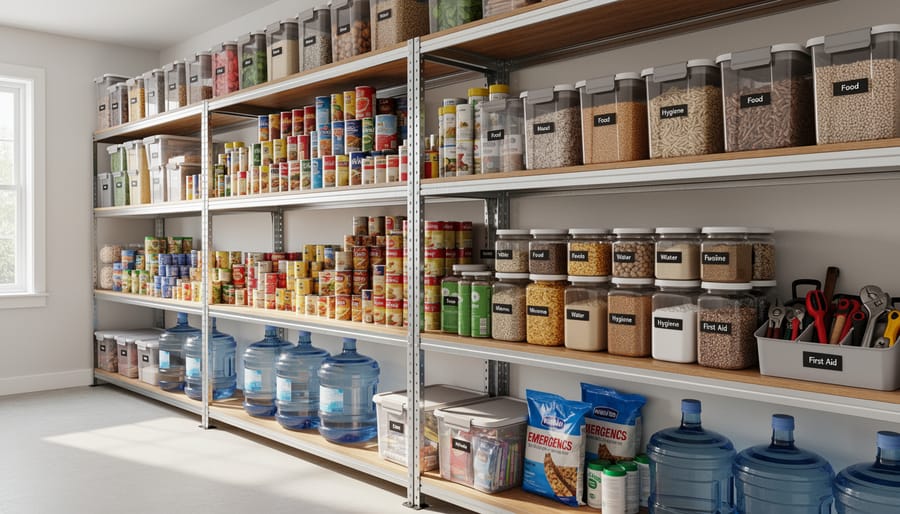
Designate a cool, dry area in your home where temperatures stay between 50-70°F year-round. Basements, interior closets, or insulated garages often work well without requiring additional climate control. Install sturdy metal or heavy-duty plastic shelving that can support the weight (a year’s supply can exceed 300 pounds). Arrange shelves so you can practice first-in, first-out rotation: place new items at the back and pull from the front. Label every container clearly with contents and packaging date using waterproof markers or printed labels. Keep a master inventory list near the storage area and update it after each addition or removal. Position your storage away from exterior walls prone to temperature fluctuations and avoid areas near water heaters or furnaces. If your storage space lacks natural climate control, consider insulating the area rather than adding energy-intensive cooling systems, the goal is resilience that doesn’t increase your carbon footprint. Households already leveraging solar energy savings can redirect that efficiency toward maintaining ideal storage conditions. Check your storage area monthly for temperature spikes, humidity changes, or pest activity, and adjust as needed to protect your investment.
Testing and Maintaining Your Supply
A year’s supply won’t help if you don’t know how it performs under real conditions. Before an actual emergency, run a trial week using only your freeze dried foods. This stress-test reveals gaps you’d rather discover now, maybe you’re short on breakfast variety, or you underestimated how much water certain meals require to rehydrate properly. Cook the meals as you would in a crisis scenario, note which items your family actually enjoys, and adjust your inventory accordingly. You’ll also practice the rehydration process itself, which varies by food type: vegetables typically need 15-20 minutes in hot water, while fruits rehydrate faster in cold water.
Build a simple rotation system based on purchase dates. Mark each container with the month and year it was sealed, then organize your shelving so older items sit at the front. Every quarter, conduct an inventory check: inspect seals for any compromise, verify oxygen absorbers haven’t been punctured, and confirm storage conditions remain stable. This isn’t busywork, it’s how you catch problems before they cascade. Use a spreadsheet or app to track quantities by category (proteins, grains, vegetables, fruits) so you spot when one area runs low.
Regular use solves the staleness problem and turns your stockpile into a living system rather than a forgotten corner. Add a freeze dried meal to your weekly menu, or use freeze dried fruits in morning smoothies. This approach maintains familiarity with the foods, ensures nothing sits untouched for years, and validates that your supply actually meets your household’s needs and preferences. If you discover certain items consistently get ignored, donate them before they age out and replace them with options your family will genuinely use when it matters.
Beyond Personal Preparedness: Community Impact
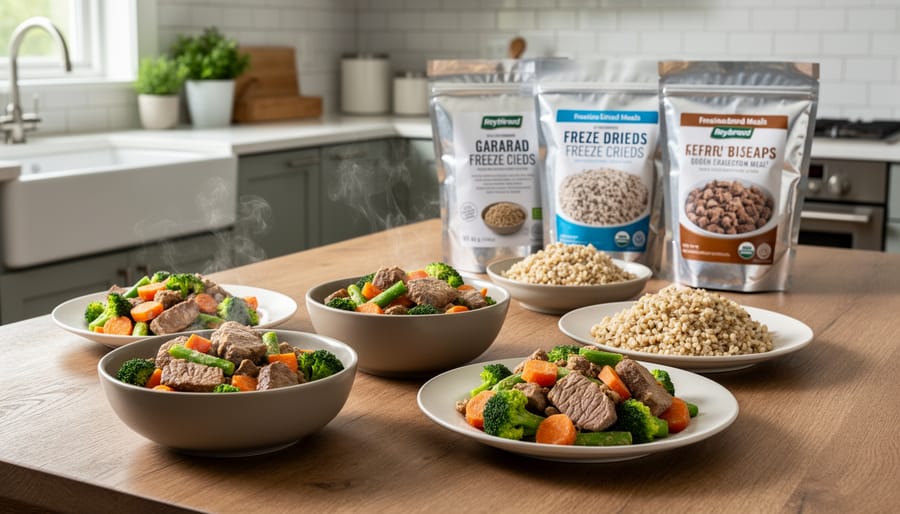
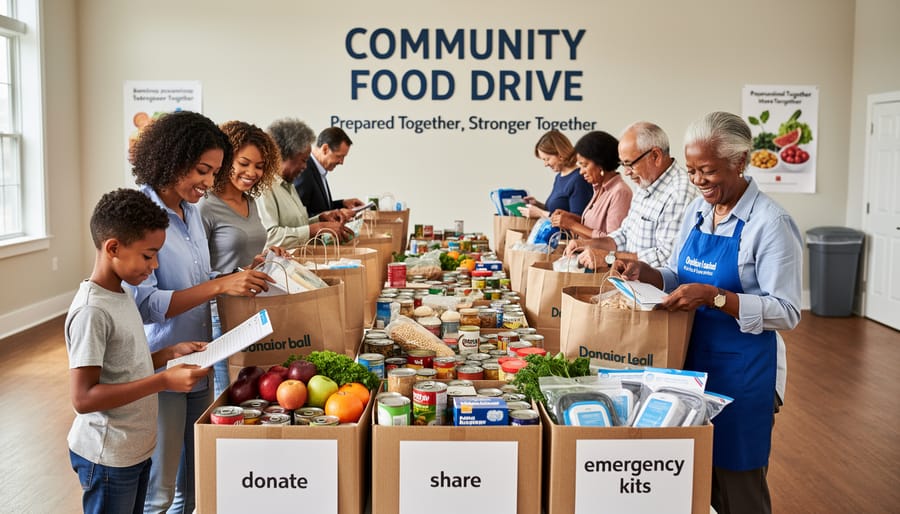
Your freeze dried food supply isn’t just about your household, it’s part of a larger movement toward resilient, sustainable food systems. When individuals prepare, communities become stronger and better equipped to handle climate disruptions without overwhelming emergency services.
Many food banks now accept freeze dried donations because of their long shelf life and ease of distribution. Unlike fresh produce that spoils within days, freeze dried foods remain viable for years, allowing organizations to build reserves that serve communities during extended crises. A single well-stocked household that shares surplus can support multiple families during power outages or supply chain disruptions.
Neighborhood preparedness networks are emerging across North America, with residents pooling resources to purchase freeze dried foods in bulk, reducing costs and packaging waste. These networks create localized food security that doesn’t depend on distant supply chains. When wildfires, floods, or extreme weather events strike, communities with distributed food reserves reduce the burden on strained emergency response systems.
Local freeze drying cooperatives represent another layer of community resilience. In Washington State, several farming communities have established shared freeze drying facilities where members preserve surplus harvests that would otherwise go to waste. These cooperatives transform seasonal abundance into year-round food security while supporting local agriculture. Members contribute excess garden produce, which gets freeze dried and redistributed based on need and contribution.
Similarly, Indigenous communities in northern Canada use freeze drying to preserve traditional foods like berries and fish, maintaining food sovereignty while reducing reliance on expensive, carbon-intensive food imports. These initiatives demonstrate how freeze drying technology supports cultural preservation alongside environmental sustainability.
Your personal preparedness choices ripple outward. By maintaining your own supply, you free up resources during emergencies for those without reserves. By supporting local freeze drying initiatives, you strengthen food systems that benefit everyone.
Common Questions About Year-Long Food Supplies
Building a year-long freeze dried food supply raises practical questions. Here are the answers that matter most for making an informed decision.
How much does a one-year supply actually cost?
Expect to invest $1,200-$3,000 per person depending on the variety and quality you choose. Bulk purchasing and selecting plant-based options significantly reduces costs, while supporting sustainable brands may add a premium.
Does freeze dried food really retain its nutritional value?
Freeze drying preserves 97% of nutrients compared to fresh food, far exceeding canned options that lose 40-60% during processing. The low-temperature process maintains vitamins, minerals, and beneficial compounds that deteriorate with heat-based preservation.
How much water will I need for rehydration?
Most freeze dried foods rehydrate with a 1:1 water-to-food ratio, meaning a year’s supply requires roughly 200-300 gallons of clean water for meal preparation. Plan to store or have access to potable water separately from your food supply.
Is freeze drying really more sustainable than canned or frozen foods?
Yes, when you account for the full lifecycle: freeze dried foods eliminate ongoing refrigeration energy, reduce transportation emissions by 90% due to weight reduction, and prevent food waste through decades-long shelf life without chemical preservatives.
The taste question surprises many people. Quality freeze dried foods taste remarkably close to fresh when properly rehydrated, especially fruits and vegetables. Texture varies by food type, berries and soups rehydrate excellently, while some meats may have a slightly different mouthfeel. Incorporating freeze dried ingredients into recipes rather than eating them as standalone rehydrated items often produces the best results.
Accessibility remains the biggest barrier for average households. Home freeze dryers cost $2,000-$5,000 upfront, putting them out of reach for many families. However, community-owned equipment, bulk purchasing cooperatives, and incremental building over 12-18 months make year-long supplies achievable without major financial strain. Starting with a three-month supply lets you test the system, refine your preferences, and spread costs across multiple paychecks rather than requiring thousands upfront.
The shelf life advantage cannot be overstated. Properly stored freeze dried foods remain safe and nutritious for 25-30 years, compared to 2-5 years for canned goods. This longevity transforms your supply from a short-term emergency stash into a genuine long-term food security asset that outlasts economic uncertainty, climate disruptions, and supply chain fragility.
Building a 1-year freeze dried food supply isn’t just about stocking your pantry, it’s about joining a growing movement toward climate-resilient, low-waste food systems. You’ve learned how this approach reduces food waste, cuts transportation emissions, and preserves nutrition without chemical additives, all while strengthening your household’s ability to weather disruptions from extreme weather events to supply chain breakdowns.
The beauty of this system lies in its scalability. You don’t need to assemble a full year’s supply overnight. Start with a 3-month reserve, focusing on staples your household already enjoys. As you gain confidence rehydrating meals and rotating stock, gradually expand toward six months, then a full year. This incremental approach keeps costs manageable and lets you refine your system as you learn what works for your family.
Consider connecting with local sustainability groups or emergency preparedness networks in your community. Many neighborhoods are organizing bulk-buying cooperatives that make freeze dried foods more affordable while supporting sustainable suppliers. If you’re inspired to take it further, explore home freeze dryers for preserving seasonal surplus from your garden or local farmers’ markets, turning abundance into long-term food security.
Every household that builds a thoughtful, sustainable food reserve reduces strain on emergency systems during climate disasters and contributes to a more resilient community. You’re not preparing in isolation; you’re participating in a collective shift toward food systems that respect both planetary boundaries and human needs. Your next step starts today.