


Natural toxins in food are compounds that occur in plants, fungi, and some animal foods as part of their biology. They protect the organism against predators or result from environmental stress. The good news: with proper handling, storage, and preparation, you can dramatically reduce or eliminate the risk these toxins pose to your health and that of your family.
From solanine in potatoes and cyanogenic glycosides in cassava to mycotoxins in grains and shellfish toxins absorbed from harmful algae, natural food toxins are more common than many people realize. Unlike synthetic contaminants, these compounds develop naturally and have been part of the human food supply for millennia. What matters now is understanding which foods carry risk, recognizing the warning signs, and knowing exactly how to prepare them safely.
The challenge facing consumers in 2026 is cutting through conflicting advice online and grasping what truly matters. Regulatory standards exist in Canada to protect you, but personal knowledge remains your first line of defense. Most natural toxins break down or leach out during cooking, soaking, or peeling. Others require vigilance about freshness and storage conditions.
This guide walks you through the science behind common natural toxins, identifies which foods demand extra care, and provides clear, tested preparation methods. You’ll learn your rights as a consumer, where vulnerable populations face heightened risk, and how to access expert help when you need it. Practical knowledge empowers safer choices and builds resilience in our food systems.
What Natural Toxins in Food Are and Why They Matter
Natural toxins in food are chemical compounds produced by living organisms, plants, fungi, bacteria, and algae, as built-in defenses against predators, pests, and environmental stressors. Unlike synthetic pesticides or food additives, which are human-made and regulated as intentional inputs, these toxins occur naturally as part of the plant or microorganism’s biology. They’ve evolved over millennia to protect their host from being eaten or colonized, which means certain foods we consume routinely contain low levels of these defensive chemicals.
Understanding natural toxins matters because they’re present across our food supply, often in staples we eat daily. Solanine and chaconine, for example, are glycoalkaloids found in potatoes, especially when they turn green or sprout. Cyanogenic glycosides occur in cassava, lima beans, and stone fruit pits; when consumed raw or improperly prepared, they release cyanide in the digestive system. Mycotoxins, produced by molds, can contaminate grains, nuts, and dried fruits during growth or storage. Lectins, a type of protein, are concentrated in raw or undercooked legumes like kidney beans and can cause acute gastrointestinal distress if not neutralized by proper cooking.
These toxins intersect directly with environmental health and sustainable agriculture. Climate shifts, drought, and soil degradation can stress plants, sometimes increasing toxin production as a survival response. Improper storage conditions, often linked to infrastructure gaps in marginalized communities or regions experiencing extreme weather, raise the risk of mold growth and mycotoxin formation. Sustainable food systems aim to reduce synthetic inputs, which makes knowledge of natural toxins even more critical: we want diverse, locally adapted crops without relying on heavy pesticide use, but we also need to prepare and store those foods safely. Understanding how environmental factors influence toxin levels helps communities adopt resilient practices, from selecting crop varieties bred for lower toxin content to improving storage facilities that prevent contamination. Just as we address risks like water contamination to protect public health, managing natural food toxins is part of building food systems that are both sustainable and safe.
Common Natural Toxins: Where They’re Found and What They Do
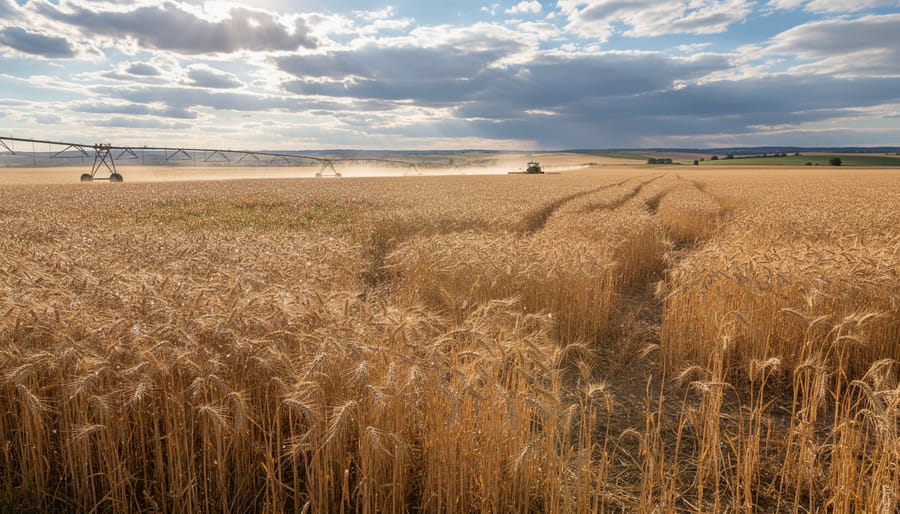
Natural toxins appear across every major food group, each with distinct characteristics and risks. Understanding where these compounds concentrate helps you make informed choices at the market and in the kitchen.
Vegetables and Tubers
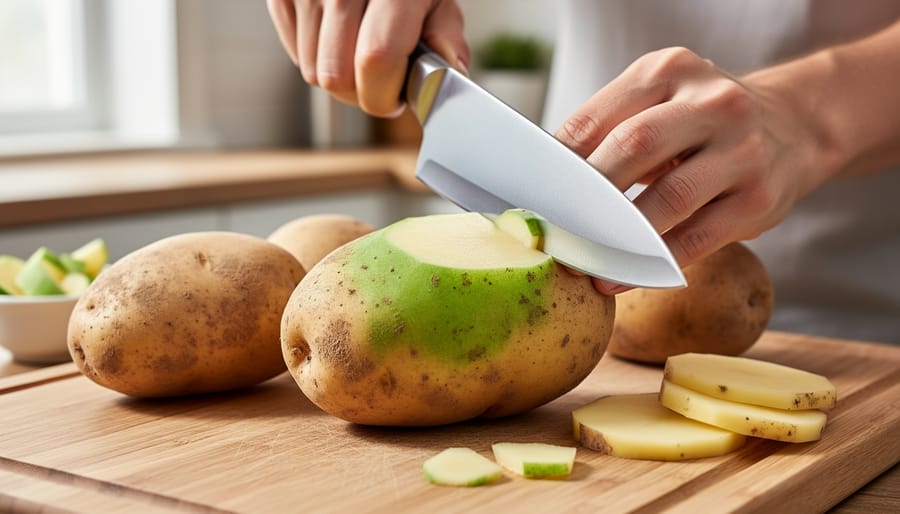
Solanine and chaconine belong to a family of glycoalkaloids found in nightshade vegetables. Potatoes produce these compounds naturally, with concentrations rising sharply when tubers turn green from light exposure or develop sprouts. At low levels, these toxins cause digestive upset and headaches. Higher exposures trigger neurological symptoms including confusion and, in severe cases documented in medical literature, paralysis. Green patches signal toxin buildup; cutting them away reduces risk substantially.
Cassava, a staple crop for over 800 million people globally, contains cyanogenic glycosides that release hydrogen cyanide when cells are damaged during processing. Bitter varieties hold concentrations 50 times higher than sweet cultivars. Chronic low-level exposure from improperly prepared cassava causes a neurological condition called konzo, documented primarily in regions where drought or conflict limits access to diverse foods and thorough processing.
Legumes and Grains
Raw or undercooked kidney beans contain phytohaemagglutinin, a lectin that causes violent nausea and vomiting within hours of consumption. Just four or five raw beans deliver a toxic dose. Boiling beans for at least ten minutes destroys this protein completely; slow cookers that fail to reach boiling temperature can actually increase toxin concentration through partial activation.
Mycotoxins, produced by molds growing on grains and nuts, present a more insidious challenge. Aflatoxins thrive on peanuts, corn, and tree nuts stored in warm, humid conditions. These compounds damage the liver cumulatively over years and rank among the most potent natural carcinogens known. Ochratoxin A, common in cereals and coffee, affects kidney function. Visual inspection catches obvious mold, but toxins often persist in grain that appears clean.
| Natural Toxin | Primary Food Sources | Key Health Effects | Avoidance Strategy |
|---|---|---|---|
| Solanine | Green or sprouted potatoes, eggplant | Nausea, headaches, neurological symptoms | Discard green portions, store in dark, cool places |
| Cyanogenic glycosides | Cassava, bitter almonds, lima beans | Acute poisoning, chronic neurological damage | Soak and cook thoroughly, choose sweet cassava varieties |
| Phytohaemagglutinin | Raw kidney beans, other legumes | Severe nausea and vomiting within 1-3 hours | Boil beans rapidly for 10+ minutes |
| Aflatoxins | Peanuts, corn, tree nuts, dried fruit | Liver damage, increased cancer risk | Inspect for mold, store in dry conditions, discard damaged nuts |
| Scombrotoxin | Tuna, mackerel, mahi-mahi (improperly stored) | Flushing, headache, rapid heartbeat | Refrigerate fish immediately, avoid fish with peppery taste |
Seafood
Marine biotoxins accumulate when fish or shellfish consume toxic algae. Scombrotoxin forms when certain fish species decompose at warm temperatures, converting histidine to histamine. Symptoms mimic an allergic reaction: flushing, sweating, and heart palpitations appear within minutes. Refrigeration immediately after catch prevents formation, but cooking cannot reverse it once present.
Ciguatoxin, produced by tropical reef algae, concentrates as it moves up the food chain into large predatory fish like barracuda and grouper. No cooking method eliminates it. Symptoms range from tingling lips to severe neurological effects lasting months.
Children under five, pregnant individuals, and people with liver disease face amplified risk from most natural toxins. A child’s lower body weight means smaller amounts produce toxic effects. Developing fetuses show particular vulnerability to compounds that cross the placental barrier. Compromised liver function reduces the body’s ability to process and eliminate toxins, turning ordinarily safe exposures into hazards.
Safety Standards and Regulatory Oversight: Who Sets the Rules
In Canada, Health Canada leads the regulatory framework for natural toxins in food through the Food and Drugs Act and associated regulations. The agency establishes maximum limits for specific naturally occurring toxins, conducts risk assessments when new concerns emerge, and coordinates monitoring programs that test food products at multiple points in the supply chain. This oversight extends from domestic production to imported foods, ensuring consistent protection regardless of origin.
Health Canada works closely with the Canadian Food Inspection Agency (CFIA), which enforces standards through inspections, testing programs, and compliance verification. When monitoring detects toxin levels that exceed safe thresholds, the CFIA can mandate recalls, issue public warnings, and require corrective action from producers. Provincial and territorial health authorities add another layer of oversight, particularly for locally produced foods and food service establishments.
Internationally, the Codex Alimentarius Commission sets guidelines that harmonize food safety standards across borders. Canada participates actively in Codex work on natural toxins, contributing scientific data and aligning domestic limits with international consensus where evidence supports it. Maximum levels for mycotoxins in grains, for example, reflect global agreement on what constitutes acceptable risk based on exposure studies and toxicological research.
The intersection with sustainable agriculture creates both challenges and opportunities. Organic and regenerative farming systems, which avoid synthetic fungicides, may face higher mycotoxin risk in certain crops during wet growing seasons. Regulators address this by focusing standards on the end product rather than production method, ensuring all food meets the same safety benchmarks regardless of how it was grown. At the same time, research into climate-resilient crop varieties and biological controls helps sustainable producers manage natural toxin risks without compromising their environmental commitments. Health Canada’s approach recognizes that effective toxin control supports rather than undermines sustainable food systems when it drives innovation in safer traditional practices and climate-adapted agriculture.
Who Should Be Most Careful: Vulnerability and Risk Factors
Certain people face higher risks from natural toxins, even at levels considered safe for the general population. Pregnant individuals need extra caution because some toxins cross the placental barrier and interfere with fetal development; for example, high mycotoxin exposure during pregnancy has been linked to growth restriction and neural tube defects in studies from regions with contaminated grain supplies. Young children, particularly those under five, are vulnerable because their smaller body size means lower toxin thresholds, and their developing organs process harmful compounds less efficiently than adult systems.
People with compromised immune systems, including those undergoing chemotherapy or living with chronic illnesses, may lack the metabolic resilience to detoxify naturally occurring compounds that healthy adults handle routinely. Similarly, individuals relying on limited diets due to economic constraints, food deserts, or cultural practices can accumulate higher toxin loads when they consume the same staple foods repeatedly without rotation or variety.
Communities practicing traditional food preparation methods sometimes face unique challenges. While many indigenous and ancestral techniques evolved precisely to neutralize toxins, disruptions to knowledge transfer or changes in food sources can leave gaps in safety practices. Climate change compounds these risks: extreme weather events and shifting growing conditions alter toxin concentrations in crops. Drought stress, for instance, increases solanine levels in potatoes, while warmer, humid storage conditions accelerate mold growth and mycotoxin production in grains and nuts.
Environmental degradation and soil depletion affect toxin profiles in ways researchers are still mapping, making climate resilience and sustainable agriculture critical to long-term food safety. Recognizing these intersecting vulnerabilities helps tailor protective strategies equitably, ensuring no community is left behind in accessing safe, nourishing food.
How to Safely Prepare and Handle Foods with Natural Toxins

The most effective defense against natural food toxins is proper preparation, a practice refined over centuries by cultures worldwide. These evidence-based methods work by breaking down, leaching out, or deactivating harmful compounds before they reach your plate.
Soaking and Discarding Water
Soaking is your first line of defense for legumes, grains, and certain roots. Place dried beans, lentils, or cassava in clean water for at least eight hours, then drain and rinse thoroughly before cooking. This process pulls water-soluble toxins like lectins and cyanogenic glycosides into the soaking liquid. Never reuse that water for cooking. For cassava, peel the tuber, cut it into small pieces, and soak for 48 hours with several water changes to reduce cyanide precursors by up to 90 percent.
Cooking to Safe Temperatures
Heat destroys many natural toxins that resist other treatments. Boil kidney beans vigorously for at least ten minutes to break down phytohaemagglutinin, slow cookers don’t reach sufficient temperatures and can actually increase toxicity. Cook potatoes until soft throughout, which reduces glycoalkaloid activity, and always discard green portions or sprouted areas before cooking. For grains that may harbor mycotoxins, thorough cooking combined with proper storage reduces risk, though it won’t eliminate pre-existing contamination.
Peeling and Trimming
Natural toxins often concentrate in skins, outer layers, and damaged tissue. Peel potatoes if they show any greening, and remove the peel from cassava roots entirely. Trim moldy sections from hard cheeses or firm vegetables with a generous margin, at least an inch around visible growth, but discard soft foods entirely if mold appears, since mycotoxins spread through moisture-rich textures.
Fermentation as a Traditional Safeguard
Fermentation has protected communities for generations by transforming toxins through microbial action. West African gari production ferments cassava for three to five days, reducing cyanide to safe levels while creating a nutritious staple. Korean kimchi fermentation breaks down compounds in raw vegetables, and proper sourdough processes reduce anti-nutrients in grains. These methods also freeze drying can complement modern preservation techniques that save food safely for extended periods.
Storage That Prevents Toxin Formation
Proper storage stops toxin development before it starts. Keep potatoes in cool, dark places, never in direct light, which triggers solanine production. Store grains and nuts in airtight containers in dry conditions to prevent mold growth. Check your long-term food supply regularly for moisture, unusual odors, or visible contamination.
These methods work because they address how toxins behave chemically. Combining multiple techniques, soaking cassava, then cooking it thoroughly, provides layered protection that single steps can’t match.

Your Rights and Responsibilities as a Consumer and Food Handler
As a consumer in Canada, you have the right to clear, accurate labeling on packaged foods, including allergen warnings and preparation instructions that help you avoid natural toxin exposure. If you suspect food has made you ill, you’re entitled to file a complaint with the Canadian Food Inspection Agency and, in cases of serious harm, seek compensation through product liability channels. Health Canada’s recall database provides up-to-date information on contaminated products, and provincial health units offer guidance when you’re uncertain about food safety.
Your responsibilities begin with informed purchasing and proper storage. Home cooks should follow evidence-based preparation methods, soaking dried beans overnight, discarding green-tinged potato skins, cooking cassava thoroughly, to neutralize toxins before consumption. If you run a community kitchen or sell preserves at a farmers’ market, you must understand the specific risks in your products: botulism in low-acid canned goods, aflatoxins in bulk grains stored improperly. Small-scale producers benefit from food safety courses offered through agricultural extension programs, which align safe practices with sustainable methods.
Balancing local, sustainable sourcing with toxin awareness doesn’t require choosing one over the other. When buying directly from farmers, ask about storage conditions for grains and nuts, and whether produce varieties have been selected for lower natural toxin content. Traditional food systems have evolved precisely because communities learned to process foods safely, fermentation, roasting, and careful harvest timing all reduce risk while preserving nutritional and cultural value. Treating food safety as part of environmental stewardship, much like handling hazardous waste responsibly, strengthens rather than undermines sustainable food networks. When everyone in the supply chain, from grower to eater, shares knowledge and accountability, we build resilient systems that nourish communities without compromising safety.
Where to Get Help, Report Concerns, and Access Resources

When you suspect a natural toxin issue or need guidance on safe food handling, several trusted resources can help. Start with Health Canada’s Food Safety Portal (), which provides fact sheets, recall alerts, and science-based guidance on natural toxins. For immediate health concerns after consuming potentially toxic food, contact your provincial poison control centerthese services operate 24/7 and can advise whether symptoms warrant medical attention.
To report a suspected foodborne illness or toxin exposure, use the Canadian Food Inspection Agency’s online reporting system or call their consumer information line. Your report contributes to surveillance that protects others. Provincial and territorial health departments also track food safety incidents and can investigate local outbreaks.
Beyond government channels, several organizations offer practical support:
- University extension programs (such as those at the University of Guelph or University of British Columbia) provide evidence-based resources on safe food preservation, traditional preparation methods, and seasonal toxin risks.
- Community food centers and food security networks across Canada offer workshops on safe handling of diverse foods, often tailored to cultural practices and local ingredients.
- Sustainable agriculture organizations like FarmFolk CityFolk and the National Farmers Union share guidance on soil health, crop diversity, and traditional knowledge that intersects with natural toxin management.
- Indigenous food sovereignty initiatives preserve and teach culturally appropriate preparation techniques that have mitigated natural toxins for generations.
These resources empower you to make informed choices while supporting sustainable, culturally rich food systems. Bookmark trusted sources now so they’re readily available when questions arise.
Who Qualifies and What You Need
While natural toxins affect everyone who eats, certain situations and roles carry specific responsibilities for documentation, training, or compliance when handling foods known to contain these compounds.
Home Cooks and Individual Consumers
No formal qualifications are required to prepare foods with natural toxins at home. However, basic food safety knowledge becomes essential when routinely preparing cassava, kidney beans, rhubarb, or other high-risk foods. Keep reliable preparation guides on hand and ensure anyone who cooks in your household understands the necessary steps.
Commercial Food Handlers and Processors
Food service workers, caterers, and small-scale processors must hold valid food handler certification in their province. This training typically covers pathogen control but may not address natural toxins in depth. Supplement your certification with specific resources on preparation techniques for foods like wild mushrooms, raw cassava flour, or bitter almonds if these appear in your operations.
Community Kitchen Coordinators and Food Rescue Programs
Organizations serving vulnerable populations should document staff training on safe handling of donated produce, particularly potatoes showing green discoloration or sprouting. Maintain records of food source verification and any screening protocols for home-preserved or foraged items.
No special permits exist solely for natural toxin management, but standard food safety credentials apply whenever you prepare food for others.
How to Apply or Complete the Process
There is no formal application or registration process for handling natural toxins in food as a home cook or consumer. However, if you’re operating a food business, farm, or community kitchen, you must follow established food safety protocols.
For commercial food handlers:
Register your business with your provincial or territorial health authority. Contact your local public health unit to understand specific licensing requirements, which vary by jurisdiction and operation type.
Complete a food safety certification course recognized in your province. Many offer online options through organizations like the Canadian Institute of Public Health Inspectors.
Implement a food safety plan that addresses natural toxin risks relevant to your products. Document preparation methods, cooking temperatures, and storage procedures. Health Canada provides templates through its Safe Food for Canadians program.
For reporting suspected contamination:
Contact the Canadian Food Inspection Agency immediately at 1-800-442-2342 if you suspect commercial food contains harmful toxin levels. Preserve the product and packaging for possible testing.
Report illness to your local public health unit. They’ll investigate potential outbreaks and coordinate with federal authorities when necessary.
Keep records of what you consumed, when symptoms appeared, and where the food originated. This information helps trace contamination sources and prevents further exposure.
Frequently Asked Questions
Can organic foods contain natural toxins?
Yes. Natural toxins are produced by the plants, fungi, or microorganisms themselves as defense mechanisms, so organic certification doesn’t eliminate them. Proper preparation and cooking methods are what reduce toxin levels, regardless of how the food was grown.
How do I know if I’ve been exposed to natural food toxins?
Symptoms vary by toxin but commonly include nausea, vomiting, diarrhea, or abdominal pain within hours of eating. Severe cases may involve neurological symptoms or breathing difficulties. If you suspect toxin exposure, contact your provincial poison control center or seek medical attention immediately.
Are sprouted or fermented foods safer regarding natural toxins?
Often, yes. Sprouting and fermentation can significantly reduce certain toxins like lectins and phytates in legumes and grains. However, these processes must be done correctly to avoid creating new food safety risks from harmful bacteria.
Do cooking methods like microwaving destroy natural toxins as effectively as boiling?
It depends on the toxin and food. Boiling in discarded water removes water-soluble toxins more effectively, while microwaving may not distribute heat evenly enough to fully break down heat-sensitive compounds. For high-risk foods like kidney beans or cassava, traditional boiling remains the most reliable method.
These questions address practical gaps that emerge once readers understand the basics. Climate shifts may intensify certain natural toxins in crops, making awareness of preparation techniques even more critical for community food security. Sustainable food systems depend not just on what we grow, but on preserving and sharing the knowledge of how to prepare it safely across generations and cultures.
Understanding and managing natural toxins in food isn’t about fear, it’s about empowerment. When you know what compounds exist in your ingredients and how to handle them properly, you open the door to a richer, more diverse diet rooted in local, sustainable food systems. The preparation techniques passed down through generations, soaking beans overnight, cooking cassava thoroughly, storing grains in cool, dry places, aren’t just tradition. They’re practical wisdom that keeps communities healthy while celebrating culinary heritage.
Your choices matter beyond your own kitchen. By supporting local farmers who prioritize soil health and crop rotation, you’re investing in food systems that naturally reduce toxin risks. When you share safe preparation methods with neighbors, community kitchens, or newcomers unfamiliar with certain foods, you’re building resilience. Food safety and sustainability aren’t separate goals; they’re intertwined parts of environmental health that affect everyone.
Stay curious and informed. Bookmark the resources you’ve found here, reach out when questions arise, and trust that combining scientific knowledge with time-tested practices creates the safest path forward. As our climate shifts and our food systems evolve, this foundation of understanding will help you and your community adapt, nourish yourselves well, and protect the environmental health we all depend on. The power to eat sustainably and safely is already in your hands.